You will come across the term marine stingers on a travel forum and be put off by it, but for those of us in tropical North Queensland who like to swim or snorkel it is an actual matter of planning, particularly in the warmer months. The truth is you can have a perfectly safe time on the reef if you are sensible about stinger season in Australia, put on the proper gear and pick your sites with care, and are clear on how to react should things go wrong.
I am Sophie Dwyer. In my experience covering everything from beauty to the practicalities of travel, I have found that while prevention is hardly glamorous advice, it is the only thing that works. With a bit of forethought there is no reason a stinger season outing to the Great Barrier Reef, the Whitsundays or around Cairns cannot be a good one. People do not get into trouble by shunning the reef; they make the error of thinking a day that looks like a postcard is without risk.
Why You Should Pay Attention
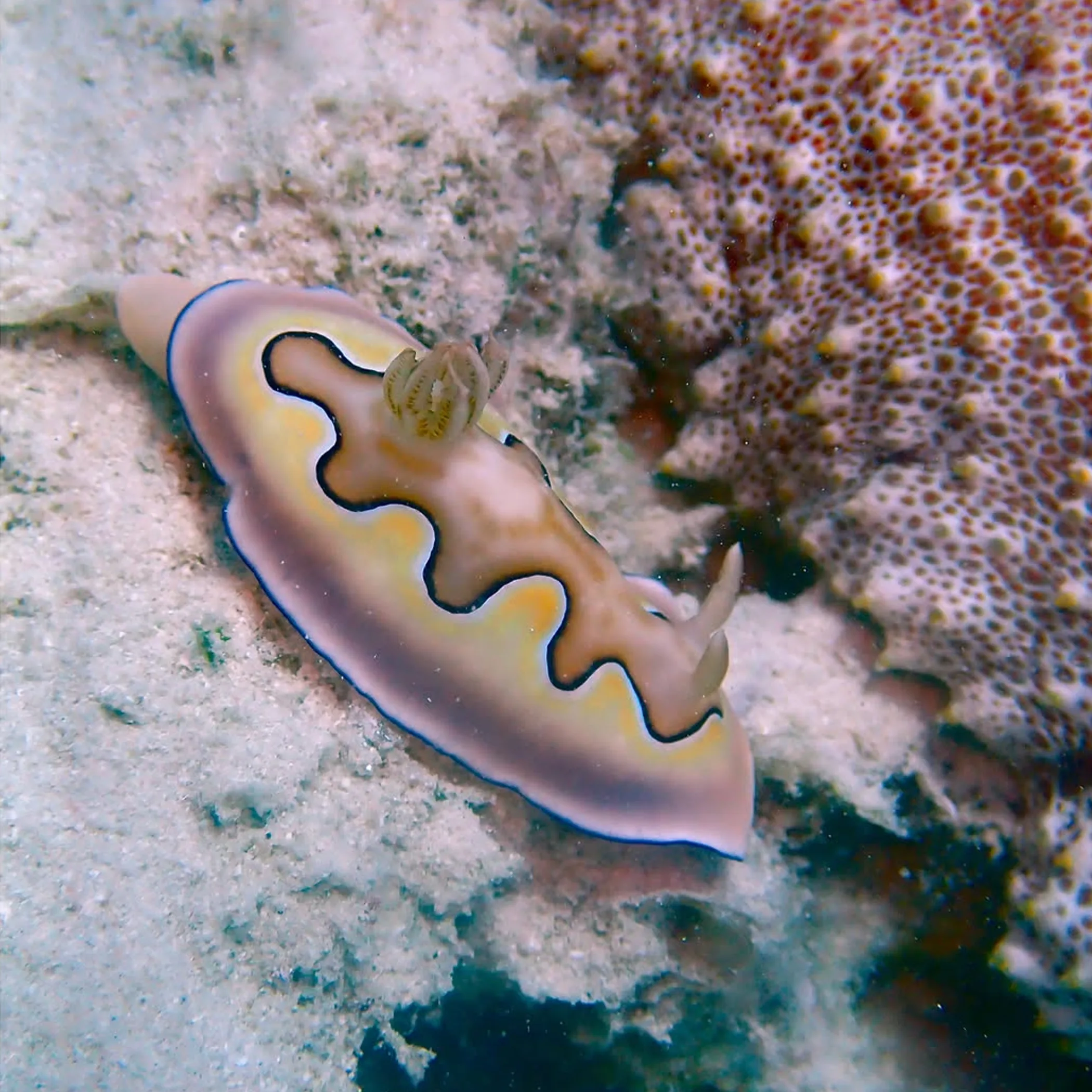
For the snorkeller it is a given that tropical stinger risks are there. What is of interest is the way they vary with the season, the weather and the beach in question. This is something families and first-timers would do well to consider before booking on the strength of the forecast alone. It is also crucial to choose the optimal season for reef snorkeling. There is nothing more alluring than warm water as flat as glass, yet some of the worst stings are to be had in such placid tropical settings.
Common Traveller Errors
A lot of people make the mistake of regarding marine stingers as a problem confined to the beach. The risk is just as present at island beaches, in nearshore waters, at creek mouths and certain points of reef access. Do not think being at a resort insulates you from it. A competent operator will mitigate risk but he will not put nature out of a job.
I have been told by some of my readers they were well provided for with a GoPro, zinc, anti-fog and reef shoes, but made do without a stinger suit. It is akin to setting off on a summer drive through mozzie country and leaving the repellent behind. The essentials are what count.
The Species
One does not have to be a marine biologist to be safe, though it is useful to distinguish an emergency from a nuisance. In Queensland the two you want to know are box jellyfish and Irukandji syndrome. They are not the same. The former is capable of inflicting fatal contact where the sting is, the latter may seem unassuming at first and then turn into serious symptoms throughout the body.
Box Jellyfish
These are the ones to watch. Their tentacles will envenomate and cause severe pain in short order. From November through May they are a top priority in the coastal waters of tropical North Queensland. Extra caution is called for in the shallows of a mangrove coast or estuary; do not let calm seas and warm water lull you.
Irukandji And The Like
With Irukandji syndrome the jellyfish in question are tiny, which is the rub. One expects danger to be self-evident. Often it is not. You can be left with sweating, nausea, vomiting, breathlessness and an overall feeling of revolt from the body. Compared to a box jellyfish the sting might not appear so bad initially but it is medically speaking no joke. Small is not synonymous with safe.
When To Be Wary
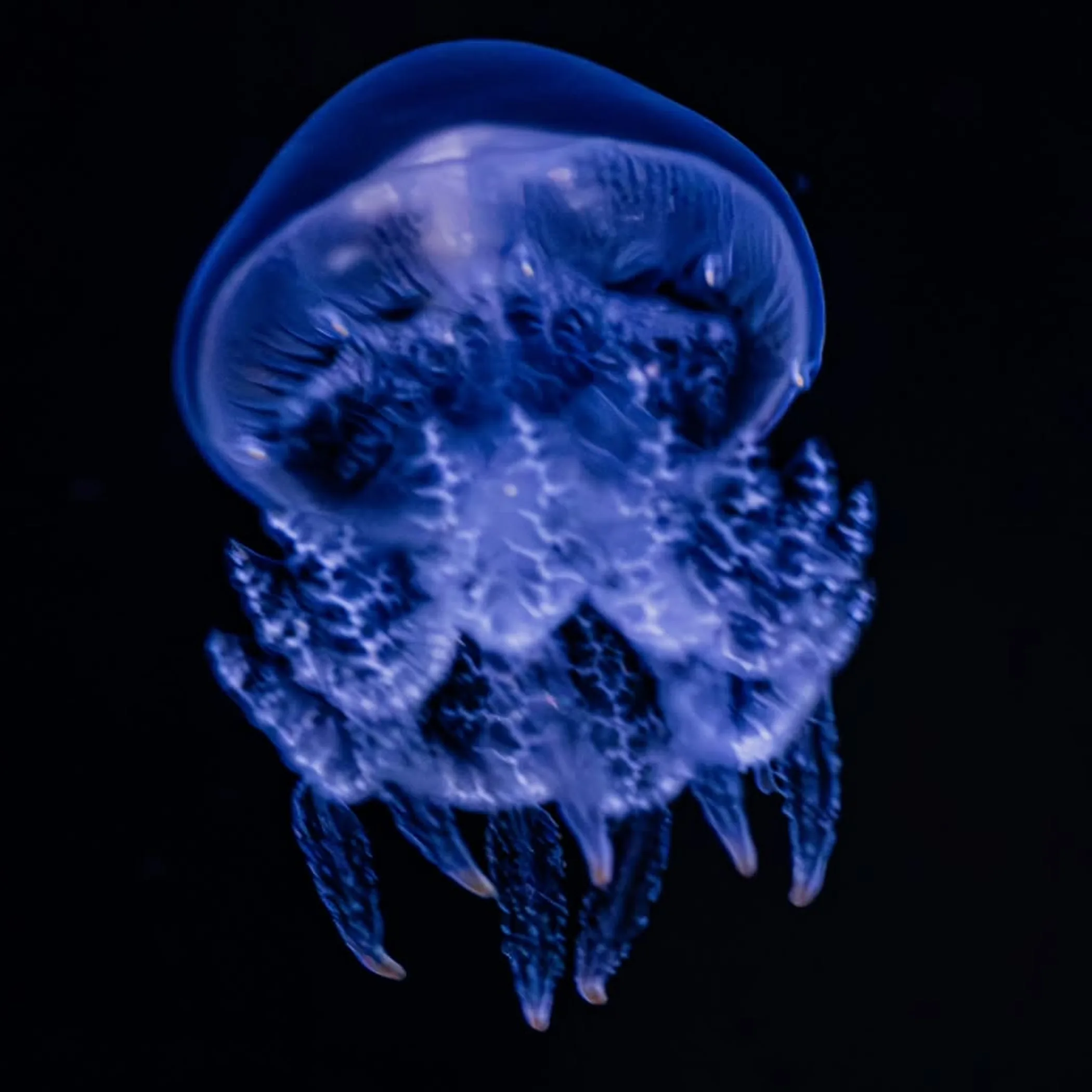
Brochures will not tell you this but timing is everything. The wet season in the north of Australia is the time of highest risk, the period we call stinger season from November to May. Not every beach is off limits each day and winter is not a free-for-all, but you would be better served by local knowledge and the conditions than by wishful thinking.
Region And Season
Cairns, Port Douglas, Cape Tribulation and the Whitsundays are where the concern is greatest in tropical North Queensland. Offshore you will need protective clothing and to take the operator’s word for it, as the outer reef is less risky than the coastal beaches. Some will tell you the drier, cooler months are best for snorkeling on account of lower stinger risk and less oppressive humidity, but then you have to factor in the wind, visibility and the school holiday hordes.
Exposure and the Conditions That Create It
There is a natural link between onshore winds and jellyfish; the former will put marine life in the path of the latter. Then there is the hazard of a calm shallow tide, a tried and tested way to be caught out. Do not be fooled by water that is as flat as a pancake, it can be where one drifts into difficulty.
One should heed local warnings since risk is not uniform from one beach or island to the next, nor from day to day. While a stinger season map is useful for the broad strokes of a trip, it is no substitute for what you are told by the authorities or a licensed operator on the day.
| Factor | Risk Level | What it means in practice |
| November To May | Higher | The tropical north of Australia is at peak stinger season. |
| Calm Shallow Water | Higher | Any wading or nearshore swimming calls for more than usual care. |
| Onshore Winds | Higher | Jellyfish may be driven towards the beaches. |
| Patrolled Beaches With Nets | Lower, Not Zero | There are measures to reduce risk but nothing is guaranteed. |
| Outer Reef With Stinger Suit | Lower, Not Zero | Snorkellers with the right gear are better off here. |
Some Protection Worth Having
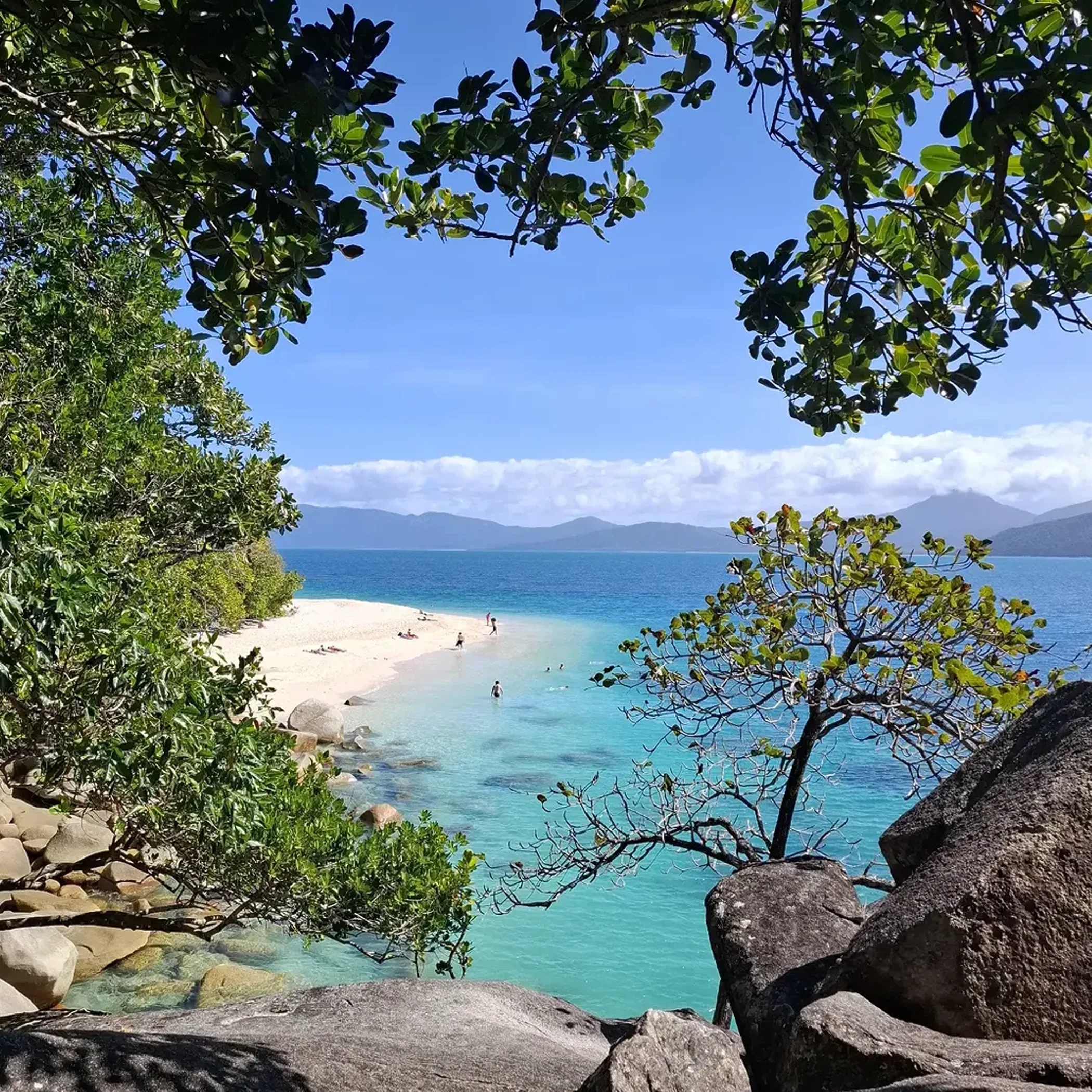
You do not need anything complicated for good protection. Opt for operators and beaches that have reef snorkelling safety in mind, cover up and pay attention to the crew.
Take this as your one packing rule: get yourself a stinger suit, whether to hire or buy. It will serve you better than any amount of bravado and is much less embarrassing than having to make a run for the pontoon in a panic.
The Case For A Stinger Suit
By way of lowering tentacle contact and covering skin, a stinger suit does its job. You will find it is de rigueur for many Queensland reef tours in the higher-risk months, either provided or put forward as a recommendation. Operators will charge an extra fee for a hire, some include it in the tour cost.
For a family the outlay is negligible when you consider the reduction in risk and the peace of mind. To skimp on protective clothing when a day on the reef runs to several hundred AUD per head is false economy.
Other Forms of Protection
Rash vests and full-coverage swim leggings and being circumspect in the water are all well and good, but they are not the same as protection made for the purpose. As for gloves and booties, some marine park rules or operators will not countenance them for certain activities so it is best to abide by the local regulations instead of your own ingenuity.
- Wherever there is a local recommendation, put on a full-body stinger suit.
- Do not wade in coastal water that is murky and still without reason.
- Pick a licensed tour which will give passengers a proper briefing.
- Heed the crew and any notices on the beach.
- Clear water is no assurance of safety.
Swimming Areas and Safer Beaches
To keep the risk down, go where the systems are in place. There is a reason for the red and yellow flags and stinger-resistant enclosures on patrolled Australian beaches. They are not going to make the ocean a backyard pool but they put the odds in your favour, a practical advantage in the tropics.
Nets, Enclosures And Flags
Provided there is a lifeguard about, stay in the area between the red and yellow flags. Some Queensland beaches in stinger season will have stinger nets or the like. Consider them tools for risk reduction, not a force field; tides, animal movement and maintenance will dictate how much of a buffer they are. The signage from the local council or Surf Life Saving Queensland will tell you what is what. If a wind has put the screws on a remote or unpatrolled beach, give it a miss.
A Reality Check On Access and Transport
Whether by ferry, shuttle, hire car or tour, most in the Whitsundays or Cairns will put in some miles to get to their swim. Peak time parking at the foreshore is at a premium and you are at the mercy of an operator’s timetable for an island transfer. Put in some buffer time, rushing leads to poor safety decisions.
With only a day to spare, leave the DIY beach-hopping to others and make for a reputable reef operator or a well-run patrolled area. Families and novices will find it easier and you are not going to end up in the car park looking up jellyfish symptoms on your phone.
First Aid
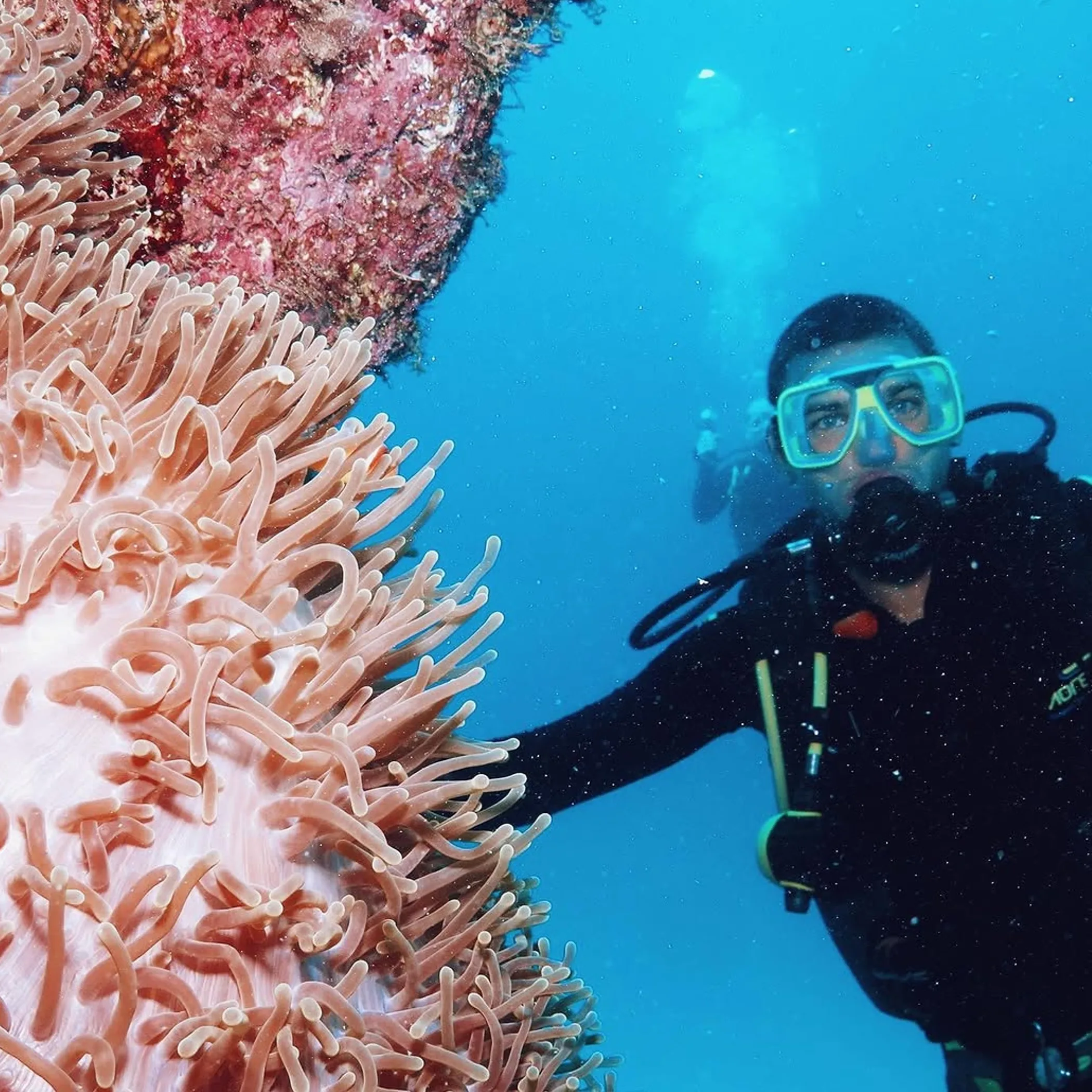
In the event of a sting it is speed and the correct approach that counts, not old wives’ tales. This is where people are apt to improvise and compound the problem.
Australian first aid for a tropical jellyfish incident is straightforward: apply vinegar if you suspect a sting, see to any serious symptoms without delay and do not fiddle with something questionable.
How to Respond
An immediate call for help is in order if you have been stung by a box jellyfish or some other tropical variety. Put vinegar on the area to inactivate any stinging cells that have not yet discharged, provided you have it at hand. Fresh water is to be avoided as it will cause further nematocyst discharge. Should any tentacles be left behind and it is safe, use a stick or a pair of tweezers to get them off; do not put your fingers to it.
A serious sting has a way of getting worse in no time so there is no place for stoicism. In the event of collapse or unresponsiveness, or if breathing is not normal, make a Triple Zero 000 emergency call and put your CPR training to use. The Australian Resuscitation Council’s official guidance for jellyfish stings advises vinegar for tropical jellyfish stings and warns against rinsing with fresh water; see the Australian Resuscitation Council jellyfish stings guideline.
What Not To Do
Do not think to urinate on a jellyfish sting. It is an unhygienic and unreliable practice and we do not recommend it. Rubbing the sting, slathering on who knows what cream or in a panic dousing it with drinking water is equally ill-advised.
The reality of first aid does not make for the dramatic, inventive affair some might picture. As a rule, good first aid is evidence-based and rather boring. Which is how it should be.
Better Timing
You can do much to reduce risk before you are even out of the house with some seasonal planning. Be flexible with your dates and look at marine conditions, local operator input and whether there is a patrol on hand, not just the rain and the price of a ticket.
For most, the easy option for a family or a nervous swimmer is to snorkel the reef when the humidity is milder and there is less of a concern over marine stingers. There are other times to go but this tends to be the most trouble free.
Who Is It For?
If you are a cautious sort, or a family with children, or making a first visit to the reef, lower-risk seasonal travel is best. You can still put in the hours in the peak wet months with a professional, though those with little tolerance for heat or uncertainty would be better off than to plan casual swims in unmanaged areas.
As for beginners, I would not count on unpatrolled beaches in the tropics of North Queensland during stinger season. Leave the cowboy ways to karaoke.
Checks Before You Go
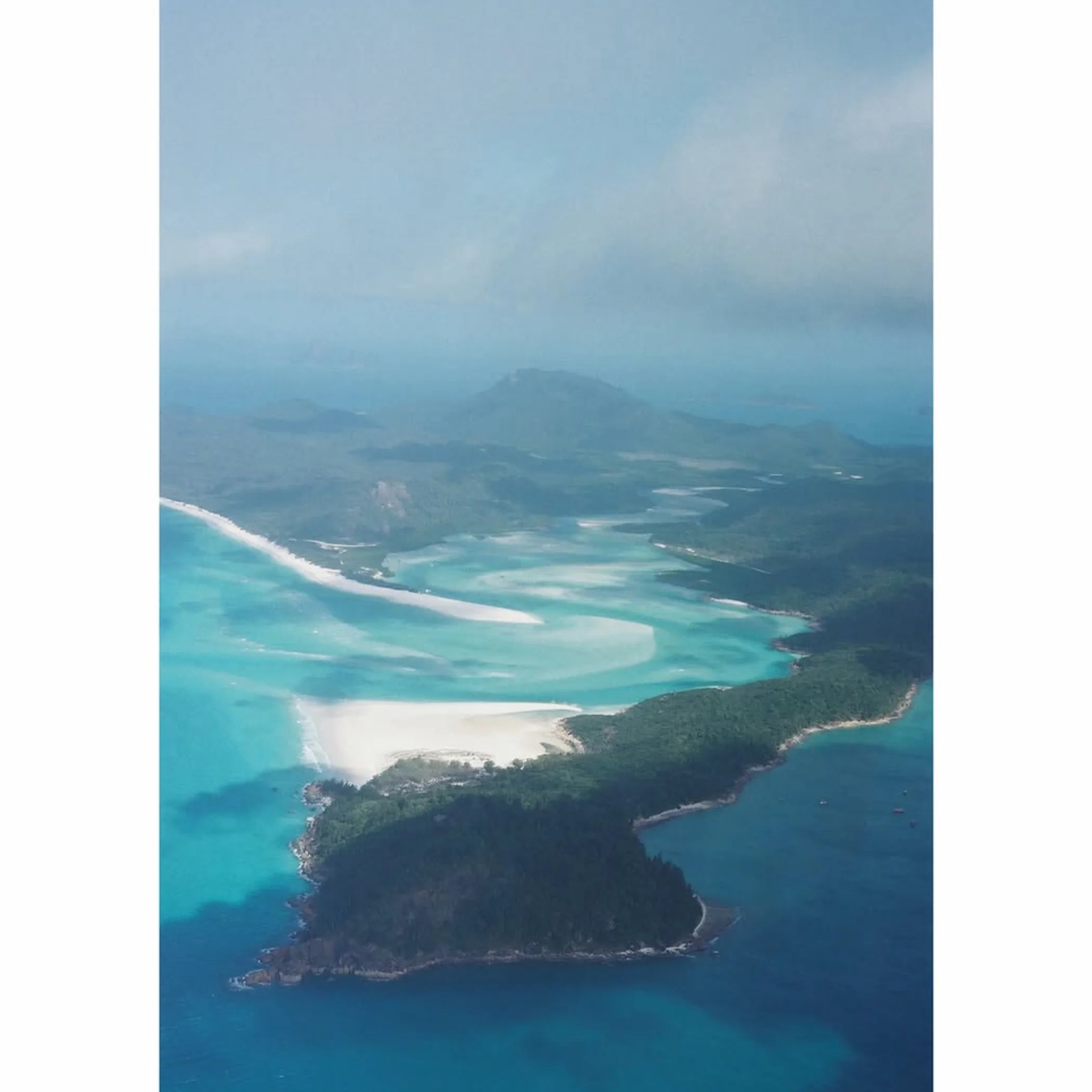
Jellyfish risk is not something one puts in the diary weeks in advance and then puts out of mind. Weather and patrol status are subject to change, so check what the local advice is on any given day. Have Beachsafe and Lifesaving.com.au on speed dial, as well as Surf Life Saving Queensland and whatever briefings your operator gives. And for public discourse on Irukandji syndrome and the like in Queensland, James Cook University research is the stuff you will see cited.
Quick Planning Table
A plain-English guide for the usual traveller set-ups.
| Traveller Type | Best Option | What To Avoid | Rough Cost Expectation |
| Family With Young Kids | A patrolled beach or a managed tour of the reef in a stinger suit | Any remote coastal swims without a patrol | Tens to hundreds of AUD for a day out depending on the tour |
| First-Time Snorkeller | Book a crewed Great Barrier Reef tour from Cairns or the like | To go it offshore without the local know-how | Full-day trip will run several hundred AUD |
| Confident Swimmer | Heed local advice and put on the gear | To suppose your skill negates the risk of the sea | Modest outlay for gear hire |
Safety Checklist
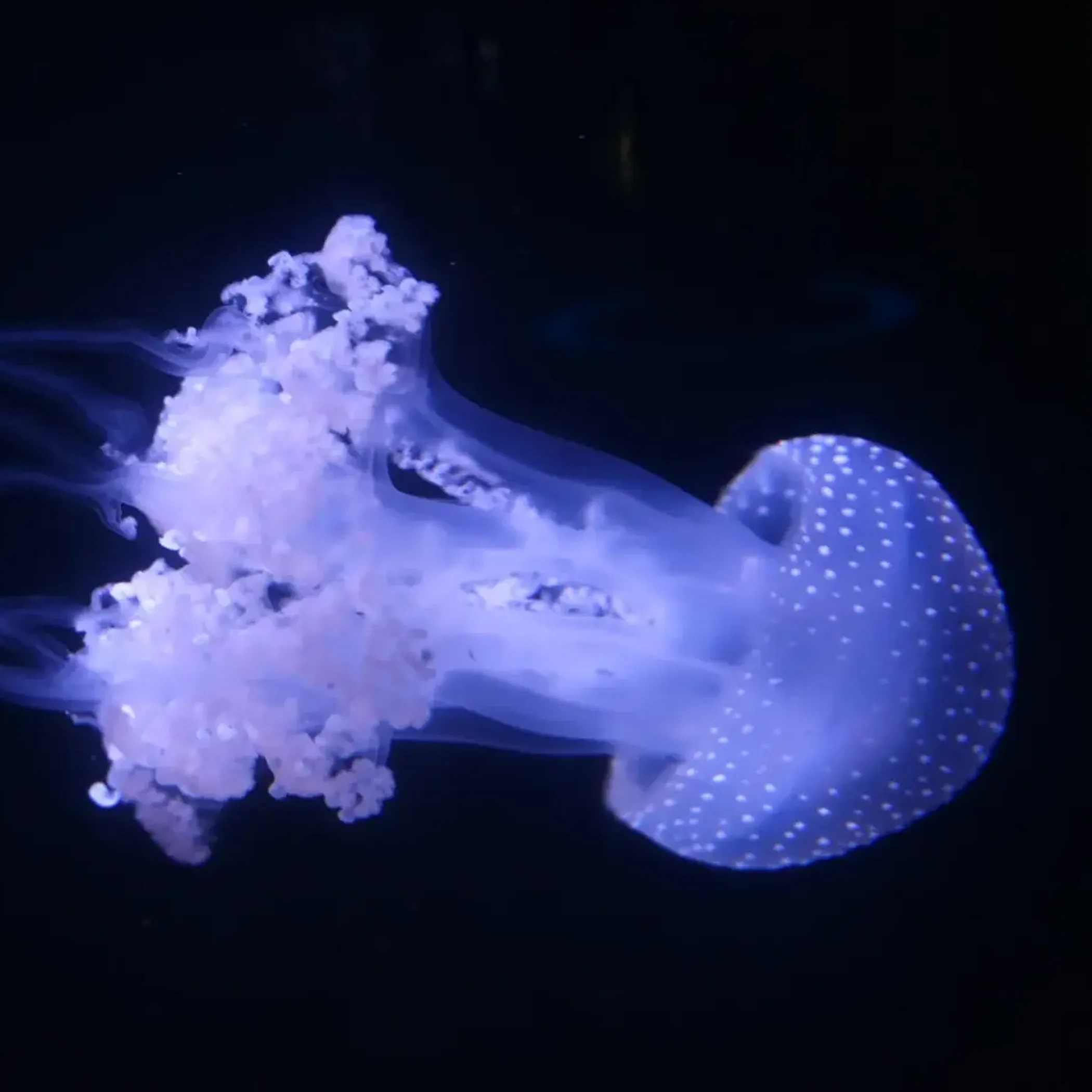
Overconfidence is no substitute for a checklist. Run through it at the accommodation and once more before you are in the water.
- Make sure you are aware of the day’s warnings and patrol situation.
- Where you can, pick a patrolled beach or a name you can trust.
- In higher-risk times a stinger suit is de rigueur.
- Have vinegar and a means of calling for help to hand.
- And if stung, forget the fresh water, get assistance and 000 for anything severe.
Some Questions Answered
Mostly you will hear these from travellers after the swimmers are packed and the practicalities have been put aside. Best to settle them now than be waist-deep in warm water asking yourself if “it’ll be right” is a sound strategy.
What to do in the event of a sting in tropical Australian waters?
Exit the water and let the crew or lifesavers know. Apply vinegar if you suspect a tropical jellyfish. For systemic symptoms, collapse or difficulty in breathing, call Triple Zero 000 and commence CPR if you are trained.
Why is peeing on a sting a bad idea?
It is not proper first aid and could make matters worse or put off treatment. The evidence is for vinegar, not urine or some bush myth.
Is Australia home to marine stingers?
Indeed. One finds the most concern in the north of the country in the warmer months, though the species and conditions dictate the level of risk.
Box jellyfish or Irukandji, which is the greater threat?
The box jellyfish is considered more of an immediate danger to life on account of the venom and the prospect of a quick collapse. But do not be under the impression an Irukandji sting is nothing to worry about; the syndrome is very serious and warrants urgent medical care.
Is it safe to snorkel in stinger season?
With the right clothes, a good operator and a sensible choice of site, yes. The error is not in going, but in being unprepared.
The Bottom Line
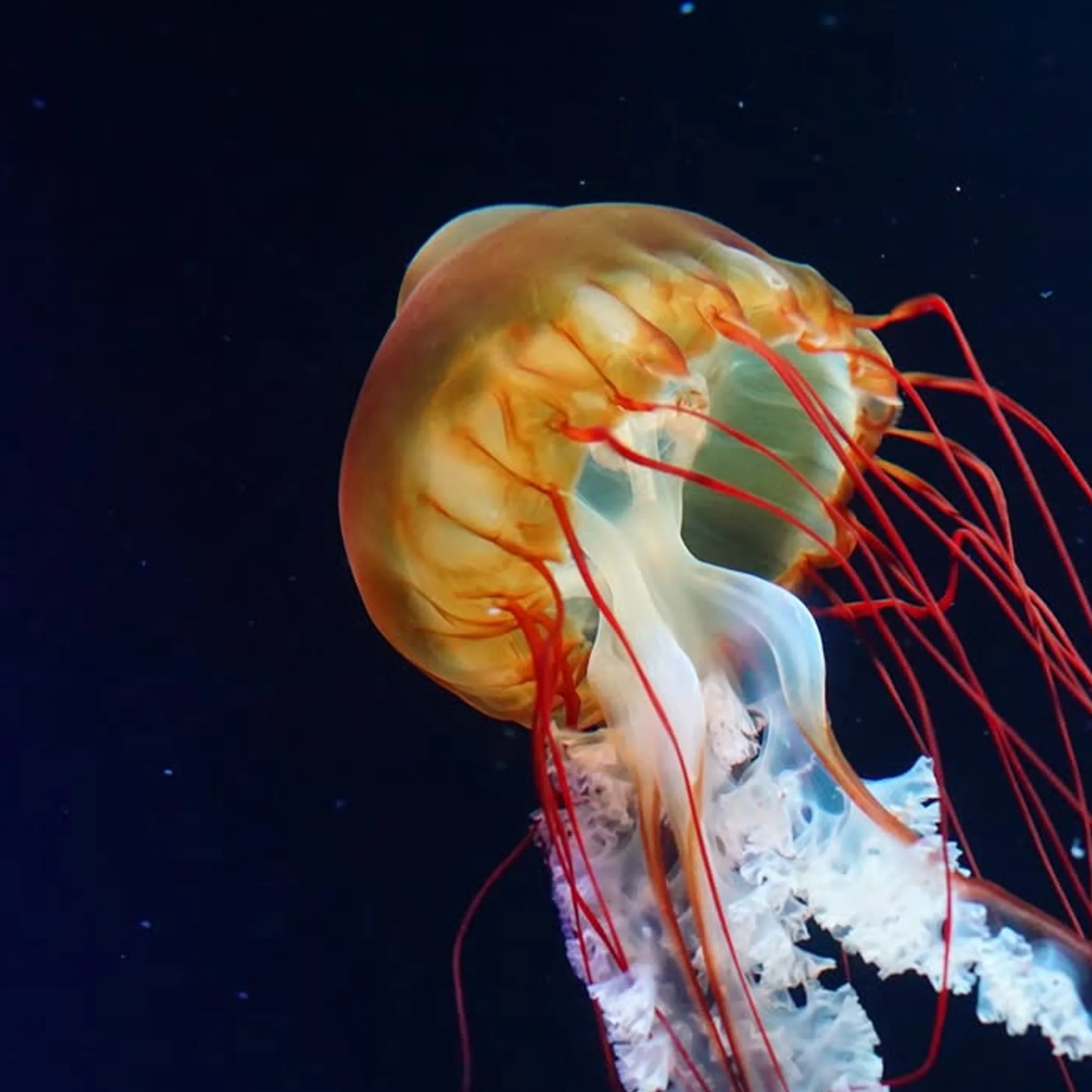
Let the stingers of tropical Australia inform your plans, not put a damper on them. With the basics of first aid and a respect for stinger season, Queensland can provide some fine days on the reef.
I may come across as a bit bossy on the subject but the trips worth having are predicated on unglamorous decisions done right: a decent operator, a stinger suit and a patrolled area. One does not believe the nonsense about peeing on a sting. The flashy promise is seldom the useful one in travel, any more than in skincare.