The answer to how to swim with safety on Victoria’s coast is a simple one: pick a patrolled beach, put in your strokes between the red and yellow flags and make sure you have checked conditions first. On this coast that is no small thing; the surf can be deceptively mild, rip currents are something both the locals and visitors to Victoria beaches get caught by, and things have a way of turning quickly.
I am Sophie Dwyer and after years of observing the way people make their way to the water on holiday I would say most of the trouble is made before a stroke is even taken. You will find them hot and preoccupied with towels and snacks and an irksome child or two, not to mention the overconfident uncle with his “she’ll be right” attitude. Well, she may be, then again she might not. These are a few sensible habits to see you through whether you are at Ocean Grove, Lorne, Sorrento, Apollo Bay, Wilsons Prom or the unadulterated Phillip Island sands. They make the kind of advice you get on beach safety in Victoria seem like common sense rather than a lecture.
Start With The Safest Spot
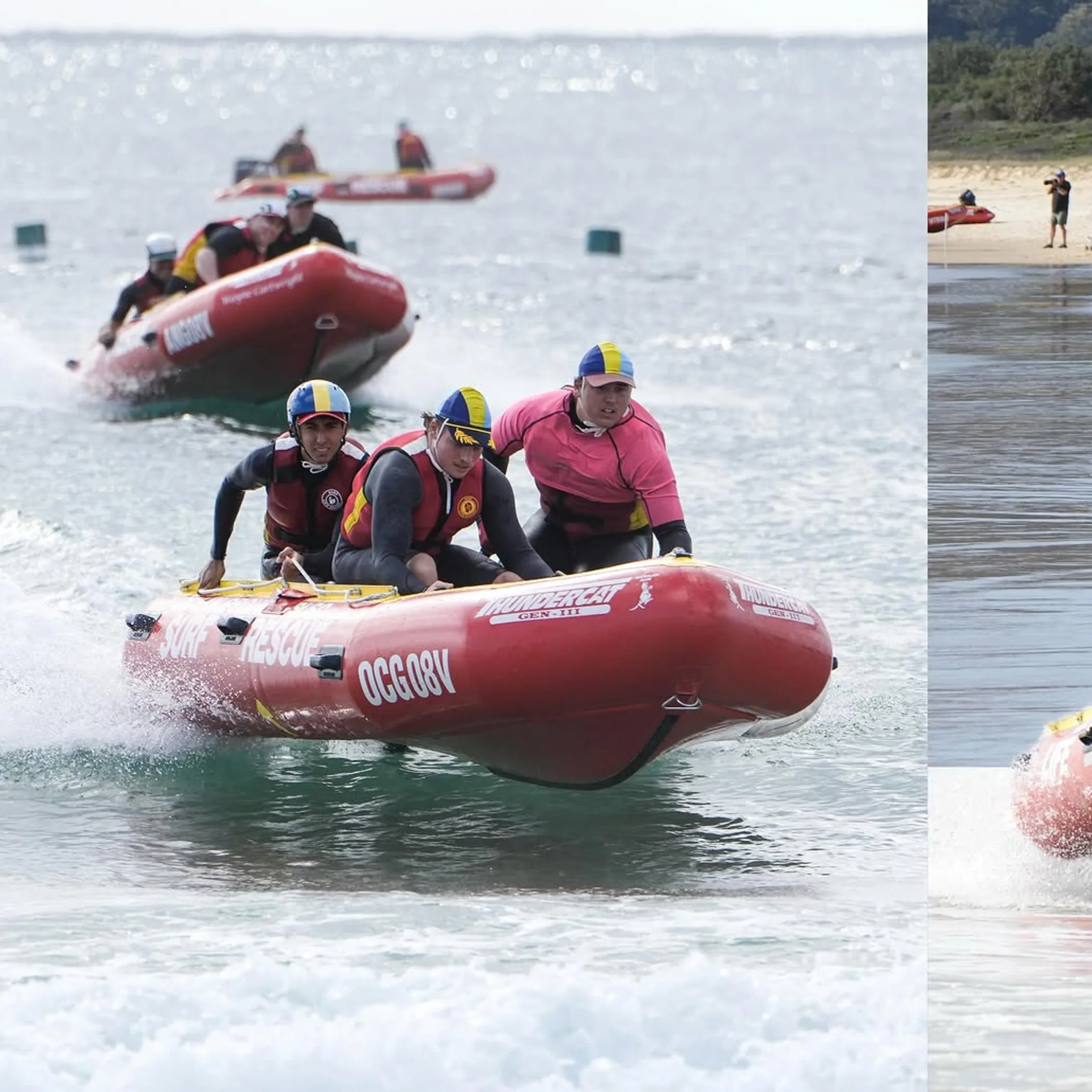
On a surf beach the safest option is seldom the one that looks best or is nearest to the esky. It is where the professionals are keeping watch. There is more to be said for using one of the patrolled beaches Victoria families are wont to do than to save a couple of minutes’ walking from the car park.
Many a day trip is spoilt by the decision to go unpatrolled. A quiet beach has its appeal when it is not peak holiday time but you will find less assistance should matters go pear-shaped.
Pick A Patrolled Area
There is a reason Life Saving Victoria, Surf Life Saving Australia and the councils are so insistent: swim between the flags. The red and yellow ones denote what the lifeguards and surf lifesavers consider the safest bet given the sandbanks, rips and the state of the waves. It is not a talisman of any sort but your odds are better there by a long way.
Do not be under the impression that because you know a beach it is safe all over. It is not. You can be 50 or 100 metres from the flagged area and in hazard territory on a big beach. I have seen folks put in near the patrol tower and then meander down the shore for some room and find themselves in rougher water without it registering.
Know What The Flags Mean
They mark out the supervised zone. If they are out of sight from where you are in the water you have gone too far. Heed the warning signs at the access points as well. Have a read of them before you start unloading the boot; they will put you on to any number of local problems from a strong shore dump and unstable cliffs to submerged reefs and the odd marine life issue.
Then there is the matter of parking and access at the busier spots run with the help of Parks Victoria or the Bass Coast Shire. The car park is not necessarily adjacent to the patrol. Make allowance for the extra walk on a warm weekend at the Surf Coast or Phillip Island, a “quick dip before lunch” can become a 20-minute trudge with sandy feet and a pram and nothing to put up your shade.
Read The Water Properly
Plenty of adults who have been coming to the beach for years would do well to spot the telltale signs of a rip current before they go in. Rips are a major risk on the open coast of Victoria and they need not be dramatic about it. More often than not they present an odd calmness and that is what lures you in.
This is the part of my beach safety talk I would put a thick pen to: the easiest looking water is frequently the worst place to be.
Spot Rip Current Signs
What you want to look for as a Victoria swimmer is a darker channel, a section with fewer waves breaking, foam or detritus making its way steadily to sea, or a void between the sandbanks. The water will seem flatter. That nice calm patch is all too likely a conveyor belt off the shore.
Do not just stand at the dune for a cursory view and write the beach off as fine. Put in five to 10 minutes to watch the water. You may think it is being fussy, yet the surf will make more sense of itself once you cease to view the ocean as a hotel pool with an attitude.
The Common Errors to Steer Clear Of
There is a tendency for people to put too much stock in their swimming fitness when it comes to surf. But a rip will have a lap swimmer panicking all the same; it has nothing to do with fitness and everything with confusion, cold shock, waves and where one is positioned. Then there are those who make the mistake of going in off a headland or rocks and find the current has a mind of its own.
For the easiest and safest way to spend a day on the coast, make for a patrolled family beach of repute. One with facilities in plain sight, public dunnies, first aid at hand and no trouble getting to from the car park. It is not the most glamorous of counsel but good advice for a holiday nonetheless.
Do Your Homework Before You Go
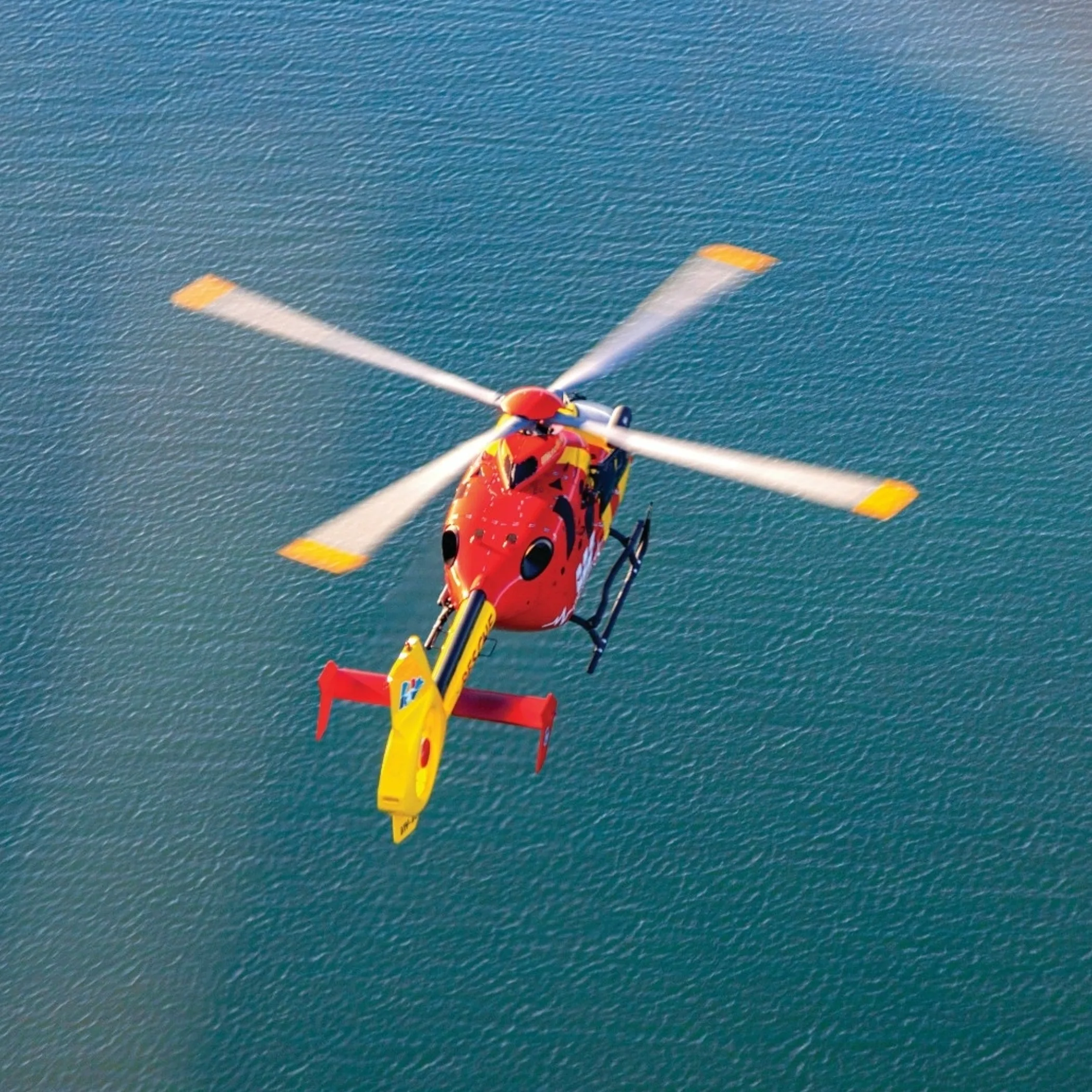
A sound decision on the water is made at home, not when you are standing in the foam wondering what happened to the sunscreen. Drive out only after you have seen the forecast and any local warnings. The swell, wind and tide can turn Victoria’s coast from mild to rough in a heartbeat.
That is wise if you have in tow children, elderly relatives, a poor swimmer or anyone under the delusion that confidence equates to skill. It does not.
Rely On What Is Current
To plan properly the Beachsafe app is hard to beat. With it you can peruse beach profiles and hazard and patrolling data rather than just going to whatever beach is trending on social media. For weather and wind the Bureau of Meteorology is where one should be looking; check their marine and weather forecasts prior to departure.
A reliable routine at present is to check the weather, then the hazards and the local patrol info. Put aside your cousin’s text or a sunrise photo before the afternoon breeze came up and do not assume conditions are as they were yesterday.
Season And Timing
Summer is when the crowds come, but a shoulder-season swim can be more of an ordeal with colder water to sap your energy and less in the way of patrols. An early morning might be quieter though glare can obscure hazards; by the afternoon the open beaches are often at the mercy of the wind. What is fine for a surfer is not for a child having a paddle.
Then there is the matter of expectation. One envisions an easy beach day, level access and a quick park. In reality there is a long trek from overflow parking, hot sand, a cross-shore wind and surf that seems harmless until the shore break puts you on the bottom.
Supervise The Children And Swim In Pairs
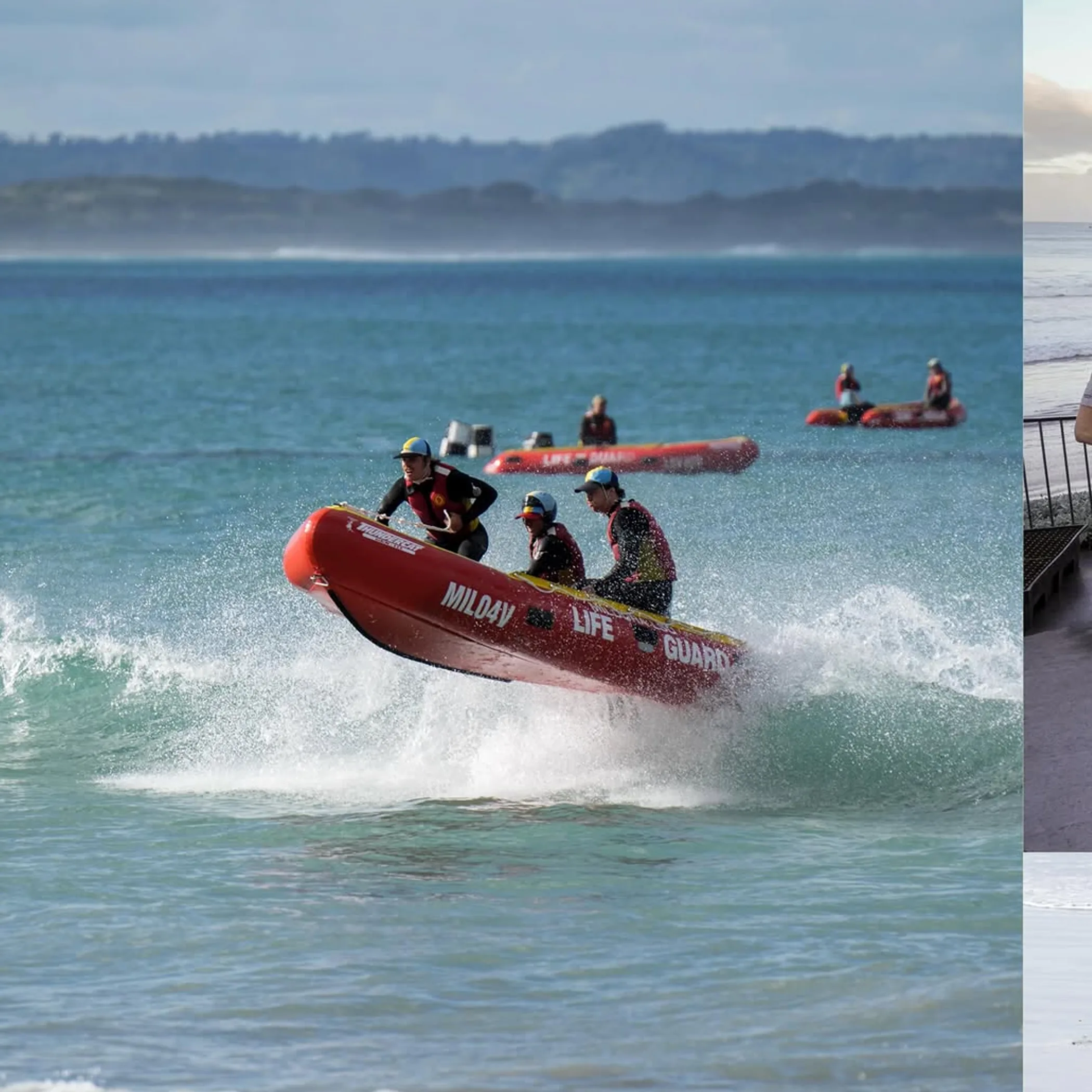
Beaches are a wide, noisy distraction. Water is in motion and a shallow edge can be hazardous in seconds, so children require more than someone peering over sunglasses to unwrap some chips.
Royal Life Saving Society – Australia is big on close supervision and for a toddler at the beach that means within arm’s reach, not from the towel. Do not put it to older siblings, they are no replacement for an adult. Have a rule in place: one adult is the water watcher and that is final. Change over every 20 minutes or so.
Adults would do well to have a buddy too, particularly where the banks are variable or it is not so busy. Should a swimmer cramp or be pulled sideways, a companion can get the attention of the lifeguards far quicker than an onlooker. If there are non-swimmers or nervous types in your party, stick to wading depth or pick calm conditions. Some open-ocean beaches in a large swell are not for beginners; there is no disgrace in making it a day of paddling.
Beware The Unseen
Injuries are not all in the deep. A person can let his guard down at the edge. Be mindful of the shore break; one wave that dumps can send a child headfirst into the sand or put an adult on his back with a twisted knee.
There are reefs and rocks to be found on the coast of Victoria, as well as access points that can be treacherous underfoot and the odd marine sting or bite. For the most part these are no more than a manageable risk provided one has the sense to pause and size things up first.
Shore Dump
A shore break is a steep wave coming in hard to the shoreline; it will feel bigger than it appears. In some places the tide and swell do not mix well and you may find the last wave is what does the damage. So make your entry with care, face the water and do not have your back to the wash. I have seen my share of adults get put down in knee-deep water, more so than in the chest-deep stuff. They are either lugging something or holding a conversation or putting on a show of nonchalance. The sea has an audience for that sort of thing.
Reefs, Rocks And The Like
Headlands and rock platforms will have their share of submerged reefs and rocks right under the surface. Signage at the access points will tell you of any local hazards, so make time to read it. A pair of shoes is useful when the entry is rocky but will not render it safe.
As for the marine life on Victorian beaches, the risks are not as high profile as one might like to think, though bluebottles and the like will give you a sting and fish can cause injury. Tread with caution in shallows you do not know and leave the wildlife alone. And give fishing areas a wide berth where the hooks and lines are apt to make a nuisance of themselves.
| Hazard | What it often looks like | What to do |
| Rip current | Calmer, darker channel with fewer breaking waves | Do not enter there; move to flagged area |
| Shore break | Steep wave dumping close to shore | Enter slowly, face waves, keep children close |
| Submerged rocks | Clear water near headlands or reefy sections | Avoid diving and use marked access points |
| Sudden depth change | Flat-looking edge that drops quickly | Test depth gradually and stay near shore |
| Wind change | Water becomes choppy fast in afternoon | Get out early and reassess conditions |
Emergency Response
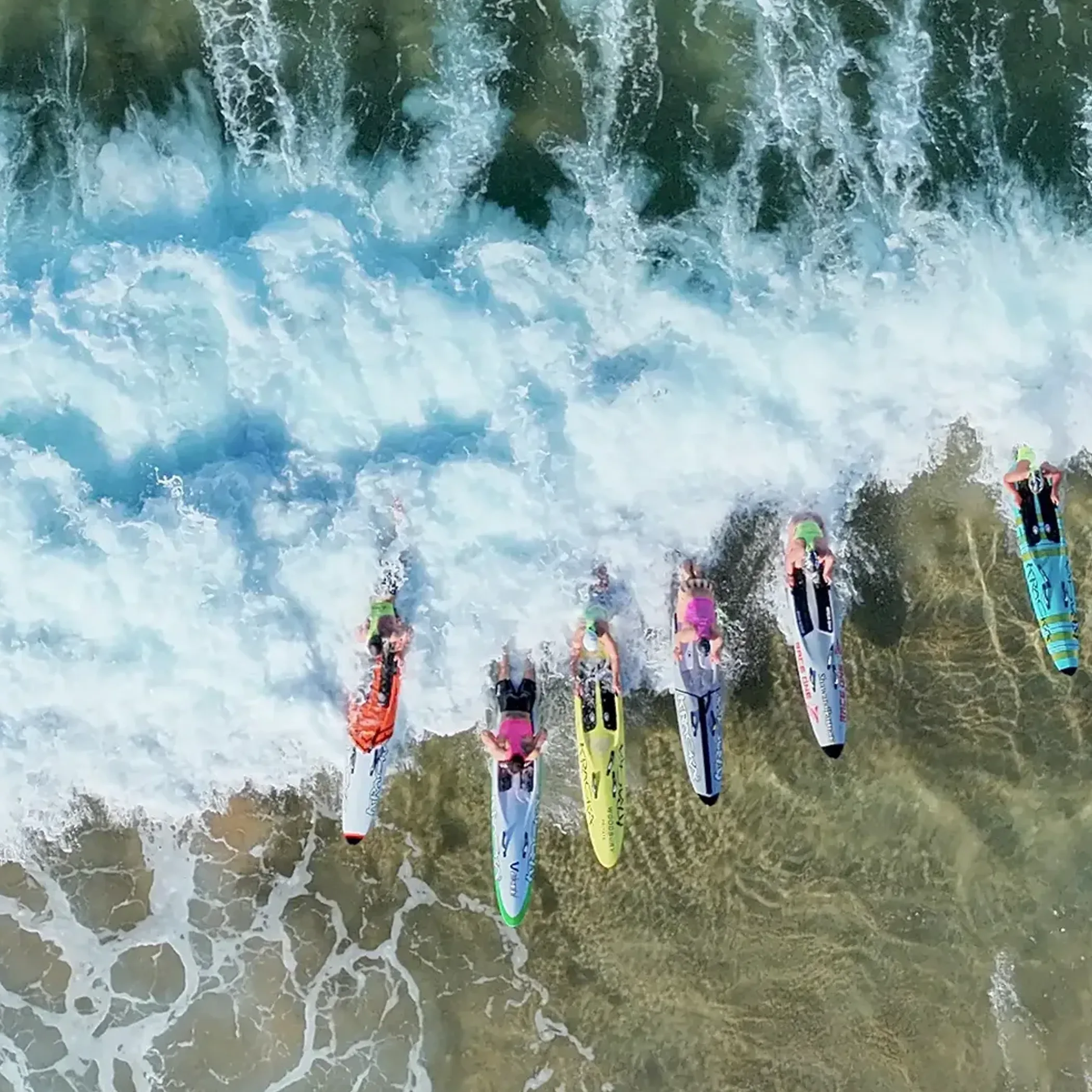
When things go wrong a calm and unexcitingly practical response is called for. Panic is a waste of time and good procedure at the beach should be easy to recall even in a ruckus. This is why it is important to keep alcohol away from swimming. It dulls the judgement and coordination and makes for poor rescue decisions. You will find many a beach incident was born of overconfidence and left the emergency services to put right what need not have been made.
In A Rip
The instinct is to put in a hard swim for the sand which is how people become spent. Do not attempt to oppose the current. Float to save your energy and put an arm up to be seen. Swim parallel to the beach if you can to put the rip behind you before angling in. If you cannot, just float and signal. There is nothing in giving up by floating, it is the sensible course of action.
Helping Others
Should you come across someone in difficulty and there are lifeguards or surf lifesavers about, let them know at once. Otherwise dial 000 for police, ambulance or whatever coast support is put forward. Victoria Police will liaise with other responders as the location of the incident dictates. Put a buoyant object in the water but unless you have the training and ability do not wade into hazardous conditions. It is better to have one patient than two.
Australia’s official reports on drowning are replete with fatalities at unpatrolled spots following bad calls on risk. Surf Life Saving Australia, Royal Life Saving Society and Life Saving Victoria have the latest national and state figures if you want to see the numbers.
Proper Tools
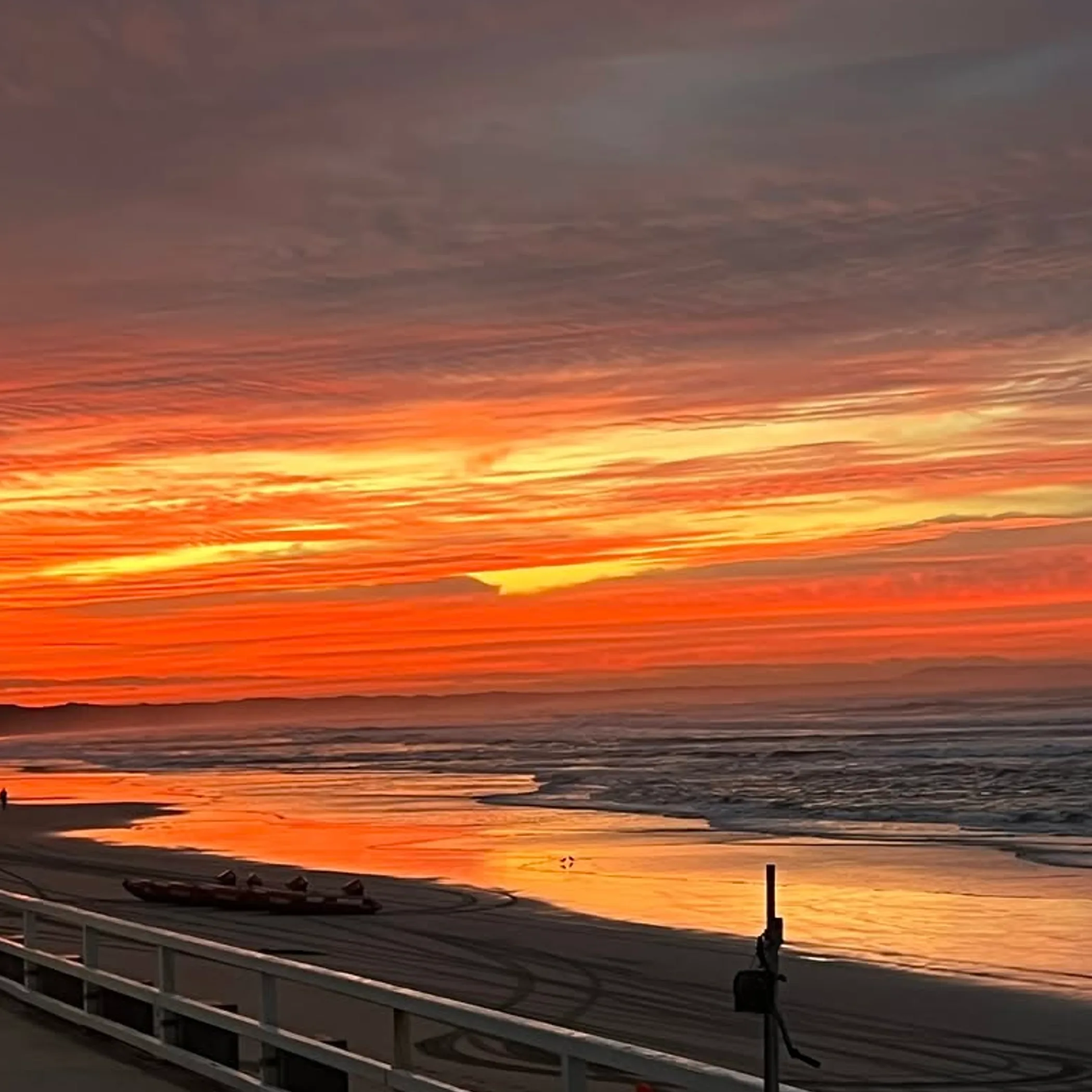
You do not need anything fancy for the beach, only something that is in date and easy to put to use when someone wants a snack. Some forethought will prevent chaos when you get there. Beach safety is the sort of advice Sophie Dwyer would recommend, the type that is of use before trouble starts.
What To Rely On
Beachsafe and its app are fine for a quick check or to get a profile of the beach. Heed any notices from the council, Parks Victoria or Bass Coast Shire. A temporary closure or alert is not put up for the look of it. Then there are the tips from Life Saving Victoria, straightforward and to the point: pick a patrolled beach, stay within the flags, put an eye on the children and do not put too much stock in your own abilities. Not exactly glamorous but it works.
Access And Other Practicalities
It is worth a moment before you set off to see where the track comes in on the beach, how early the parking goes and whether there are facilities at hand for first aid, shade or a toilet. By late morning on a summer weekend you will find the coastal car parks as full of sardines as one might expect. Should the best part of the beach be some distance from where you have parked, make allowances for it in your plans. Armfuls of gear and weary children can tempt a shortcut; but at the beach that is precisely when caution is left behind.
Costs are not hard to put a figure on. While Victorian beaches do not charge for entry, fuel, food and the like will put a dent in the budget. A day out with the family from Melbourne has a way of running into tens of dollars for petrol and a few snacks prior to any fish and chips being purchased. This is of consequence since those who turn up in a fluster and late are apt to rush in without gauging the conditions.
A Pre-Swim Check
There is no harm in a quick routine to forestall any errors before you go in the water. For anyone with beginners in tow, or those not used to the surf of late, this is what puts the smoothness back in a beach day. Consider it a 60 second interlude to spare you an hour of drama.
Find the red and yellow flags at a patrolled beach.
Take in the warning signs and be aware of local hazards.
Have a look at the tide, wind and swell.
Put in a few minutes watching the water for rips.
Make sure you know where the lifeguards and surf lifesavers are and agree on a meeting place.
Put on some sunscreen, have a drink of water and put the alcohol aside.
If you have to, keep the children close by and have one adult on supervision duty.
Do not try to be a hero and swim beyond your abilities; take a buddy.
Steer clear of rocky places to enter, rough shore break and diving in where you do not know what is under you. When in doubt, stay out. You can still have a beach day with a paddle at the edge.
Questions People Put To You
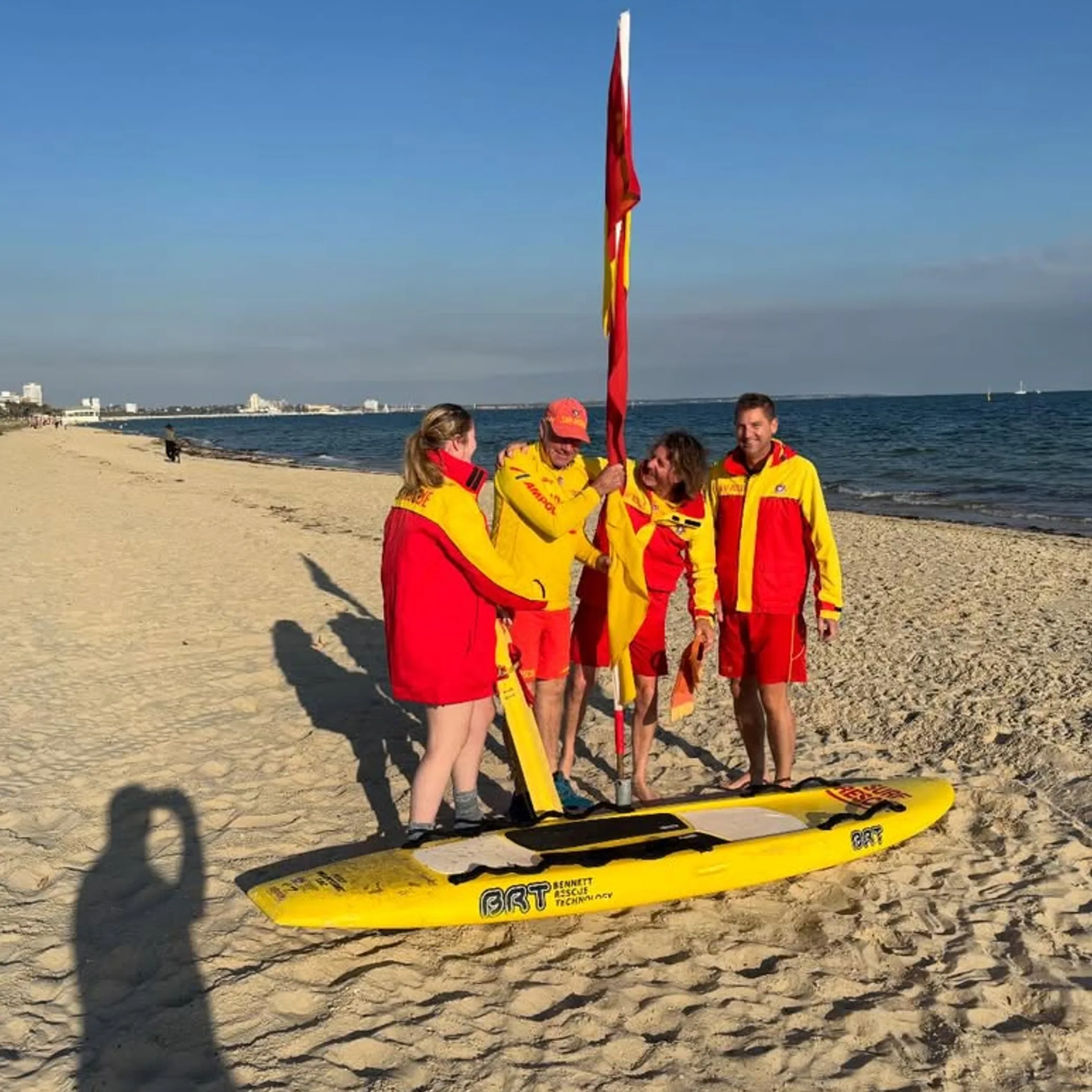
One does not encounter much in the way of dramatic safety issues at the beach. More often they are the sort of practical queries you hear in the car park or from someone putting on airs of expertise. Below are the ones you are most likely to come across.
10 Important Beach Safety Tips
The top 10 would be to avail yourself of Victoria’s patrolled beaches and swim between the flags, check the conditions and read the signs before you do so, watch for rips, and be vigilant with the children at the beach. Use arm’s reach for the little ones. Have a swimming partner and eschew alcohol. Know the emergency procedures, including how to ring 000.
The 80/20 Rule In Swimming
You may hear “80/20” bandied about in open-water circles to suggest that a preponderance of trouble is the result of a few bad calls, like venturing outside the flags. Do not be fooled into thinking it is an edict from Life Saving Victoria or the Royal Life Saving Society – Australia. If it is proffered as official guidance at the beach, enquire as to what is meant.
Vaseline Before A Swim?
A petroleum jelly rub down is a favourite of some to stave off chafing from a wetsuit or saltwater over long distances, particularly on the thighs or neck. But it is hardly a safety imperative and will not ward off sunburn, cold or rips. For the casual swimmer good judgement, the right attire and safe conditions are of far greater import.
10 Tips For Swimming
In a nutshell: get to a patrolled beach and stay between the flags. Never do it alone. See what the weather and water are like first. Keep away from rocks and give the shore break its due. Be a proper supervisor to the children and if things change, get out. No mixing of swimming and alcohol. Ask a lifeguard if you are not certain. It is all the beach safety Victoria essentials.
Is A Patrolled Beach Safe?
Not entirely. They mitigate risk but do not eliminate it. The surf can still have its way with you, a child can elude your notice, and conditions are subject to change. Regard a patrol as the safest option open to you, not an insurance policy. Some judgement and a readiness to leave when the water is not right is called for.
Common Sense Will Do
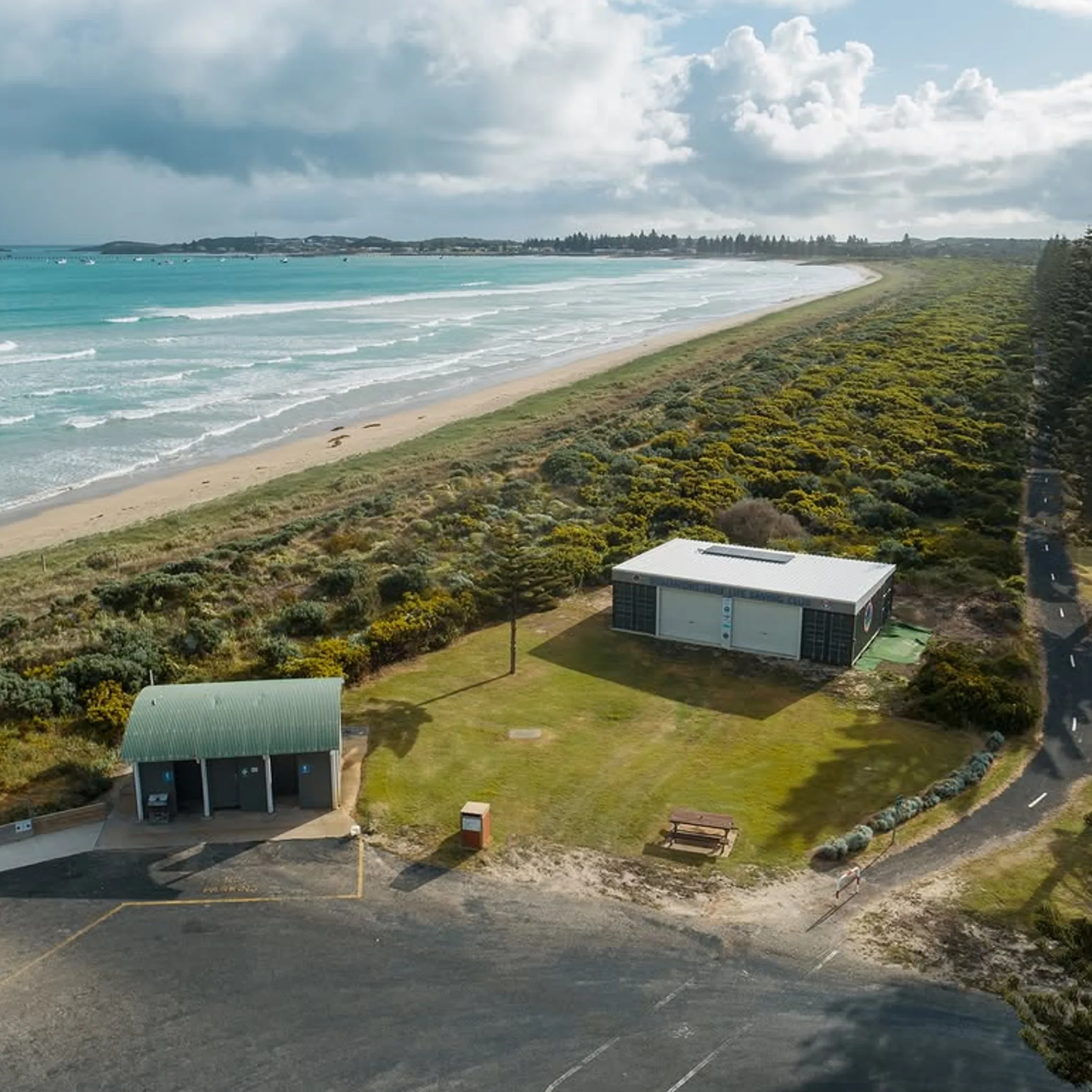
The least showy approach is also the safest on the Victorian coast. Pick a patrolled beach, the area between the flags, read what the signs say and the water, be sober and do not put too fine a point on your own abilities. With proper supervision that will head off a great deal of trouble.
One thing to take away from Sophie Dwyer today is that the ocean has no regard for the three hour drive, a picnic put together with care or any promises of a swim made to the children. When conditions are not right, one should alter course. Make do with a sandcastle or a lap of the track and put off the billy until later; let the kids have their swim when there is a more opportune time. There is no loss in it, only the satisfaction of getting home in one piece.