Preparation for a short walk in limestone country is not glamorous but it will be your undoing if you do not put in the work. The first order of business is to don shoes with a decent grip, stock up on water well in excess of what one might deem necessary for a “short” outing, see what the weather is doing and have no time for wet sinkholes or cliffs. One should approach them with some suspicion.
Take the Limestone Coast, Mount Gambier or Naracoorte Caves National Park; on any of these routes you will want to be prepared because the limestone has a way of being deceptively exposed, uneven and slick. I am Sophie Dwyer and my experience with Australian walks that are all too easy on paper has taught me that “short” is not synonymous with “simple”. A limestone track can throw at you wind, glare, algae on the rock, crumbly edges and dampness where you least expect it. You need a mix of common sense and a checklist, and to refrain from thinking you are invincible just because you are in new activewear.
The Basics
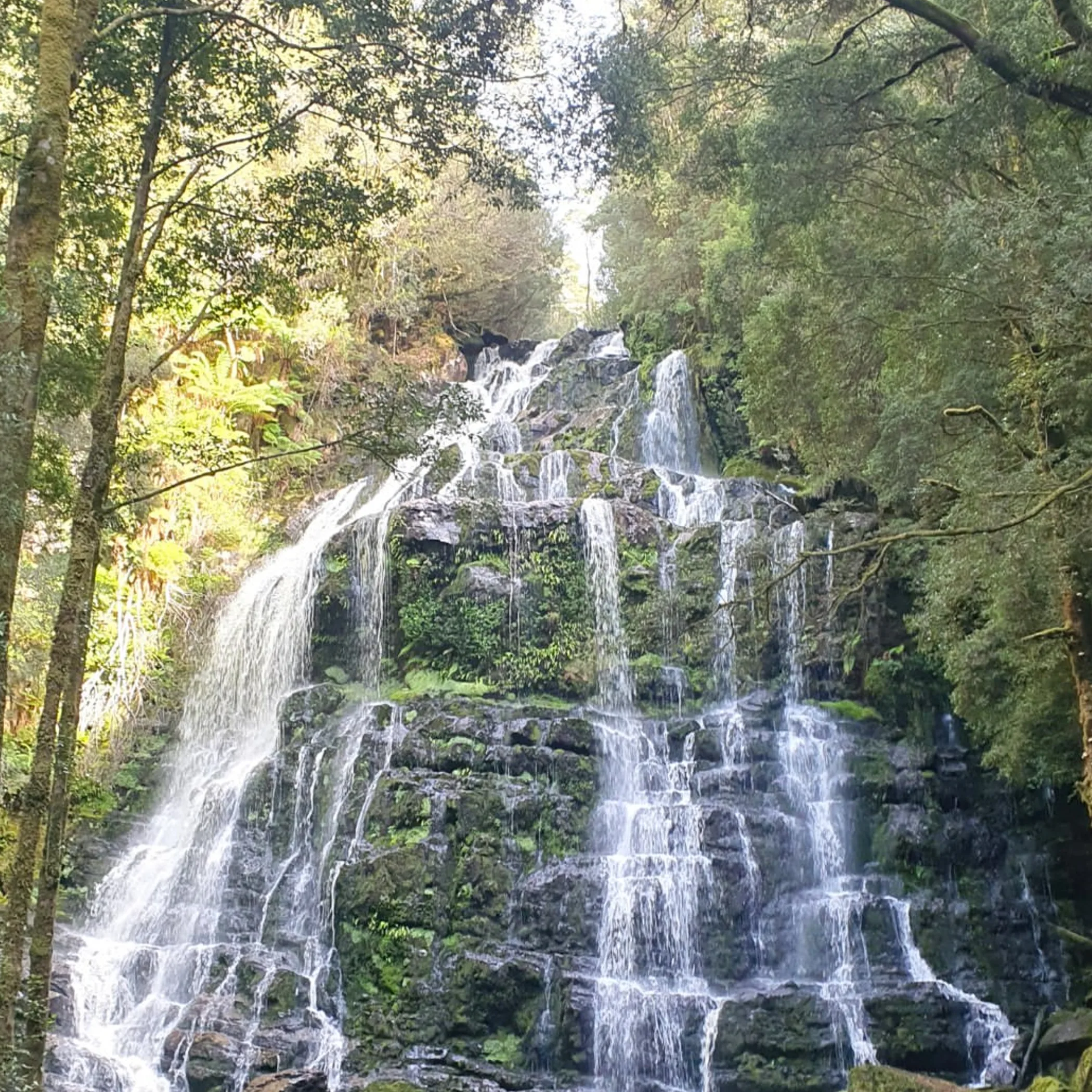
To put it plainly: let the terrain dictate your route, timing and gear, not the kilometres. On a cool dry morning a 3 km loop of limestone may be less of an effort than strolling through town, come rain or heat or when you are near a cliff edge and have to put on the brakes, it is quite another matter.
Leave home with an eye to the practicalities of the trail, not the notion that it is only a quickie. For a trail difficulty and tips overview, my rule is this: if there are caves, boardwalks in the wetlands or wet rock on the agenda, accord it the same respect as a longer bush walk.
Read The Ground
There is a character to limestone country. From the car park it may seem as flat as you like, but once on the track and in the face of erosion and coastal exposure it can get rough. An understanding of how the rock will behave underfoot takes the guesswork out of everything else, down to whether you put the kids on a side spur.
Limestone is hard and pitted
When it is dry the porous nature of the rock means it will drain and be more stable than a clay track. But foot traffic has a habit of polishing it smooth in places like lookouts or cave entries. And on a coastal or cave-country walk people are apt to underestimate the slipperiness of the stone. White rock in the sun is fine, but dark or shaded ledges with a coating of algae are where the stumbles occur.
Hazards
Do not make the mistake of thinking you will be made aware of hazards. They are not always forthcoming. A bit of drizzle, sea spray or condensation and the risk of a slip on wet limestone is elevated. Up above a cliff-edge piece of limestone can seem solid enough but will crumble. Then there are the sinkholes you find around the Limestone Coast and Mount Gambier. Heed the signage and stay on the formed track. Wandering off for a vantage point is a sure way to put yourself one misstep from an ambulance.
Dress Accordingly
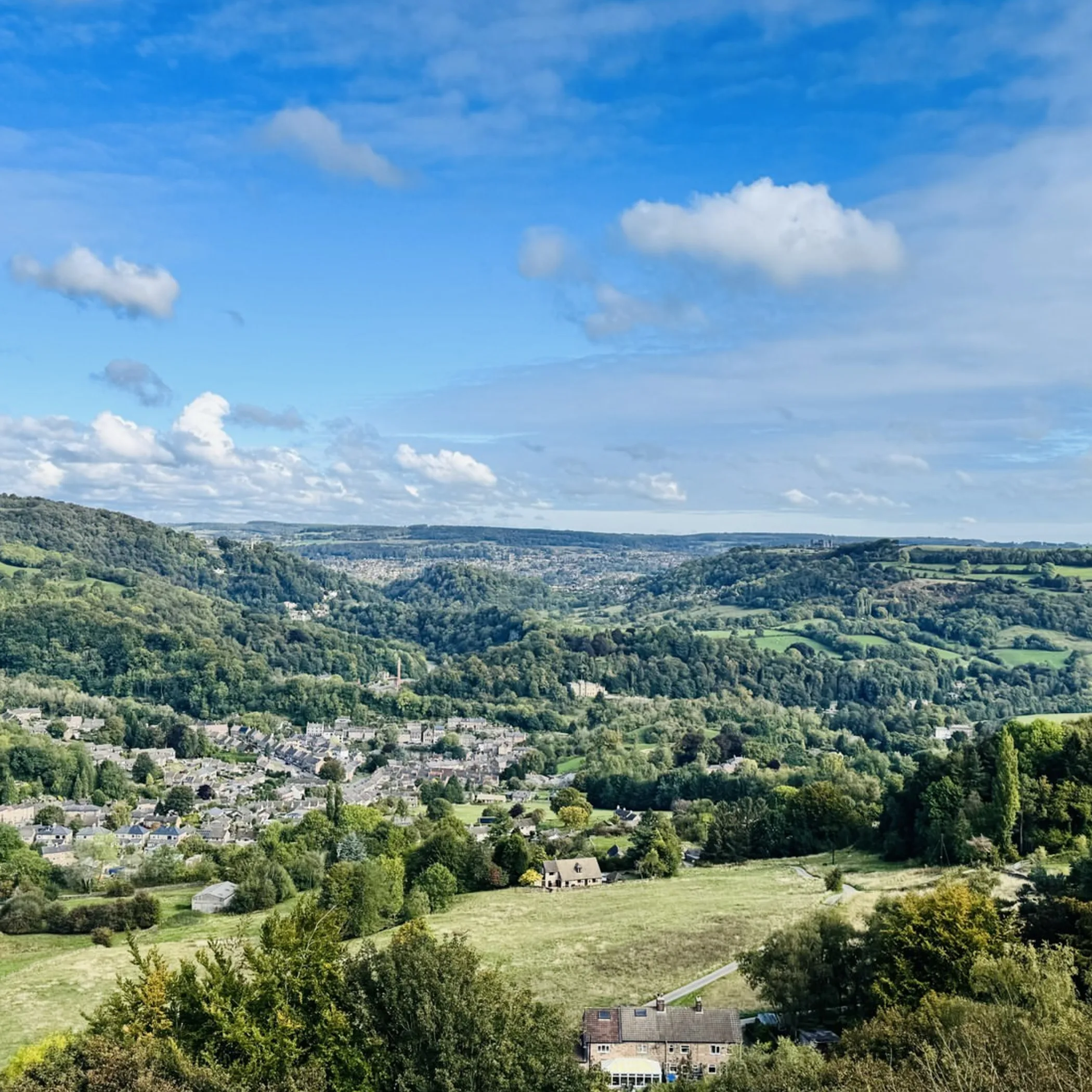
A half day’s walking on the limestone coast does not call for an expedition wardrobe, but you want to be able to cope with the wind and abrasive rock. I would opt for the practical over the pretty. Leave the flappy sandals and linen shirt (which is lovely until the wind goes feral) at home.
Shoes
When it comes to footwear, go for something enclosed with a grip sole to handle the unevenness. A pair of trail runners with good tread will do for most short routes. For loose edges or steps in the stone, a lightweight hiking shoe gives the ankle support you need.
As for your old sneakers with the tread worn flat, they are asking for trouble on a wet lookout platform or boardwalk. If the thought crosses your mind that they will suffice for a quick loop, think again.
Apparel of the Right Kind
Make sure your clothing does its job. Go for something that will shield you from the sun yet allow you to breathe, put on a brimmed hat and don some light layers. You might not think it in the milder climes of the Limestone Coast or on a short stroll about the Naracoorte Caves, but the UV and the glare bouncing off the southern limestone can be quite a shock.
Then there is the northern limestone country, say in the Judbarra/Gregory National Park where the seasonal weather is of greater consequence. One has to be mindful of the heat that comes on fast and how the wet season can alter track conditions in an instant; being in such a remote place raises the stakes no matter how brief the excursion.
Proper Nourishment
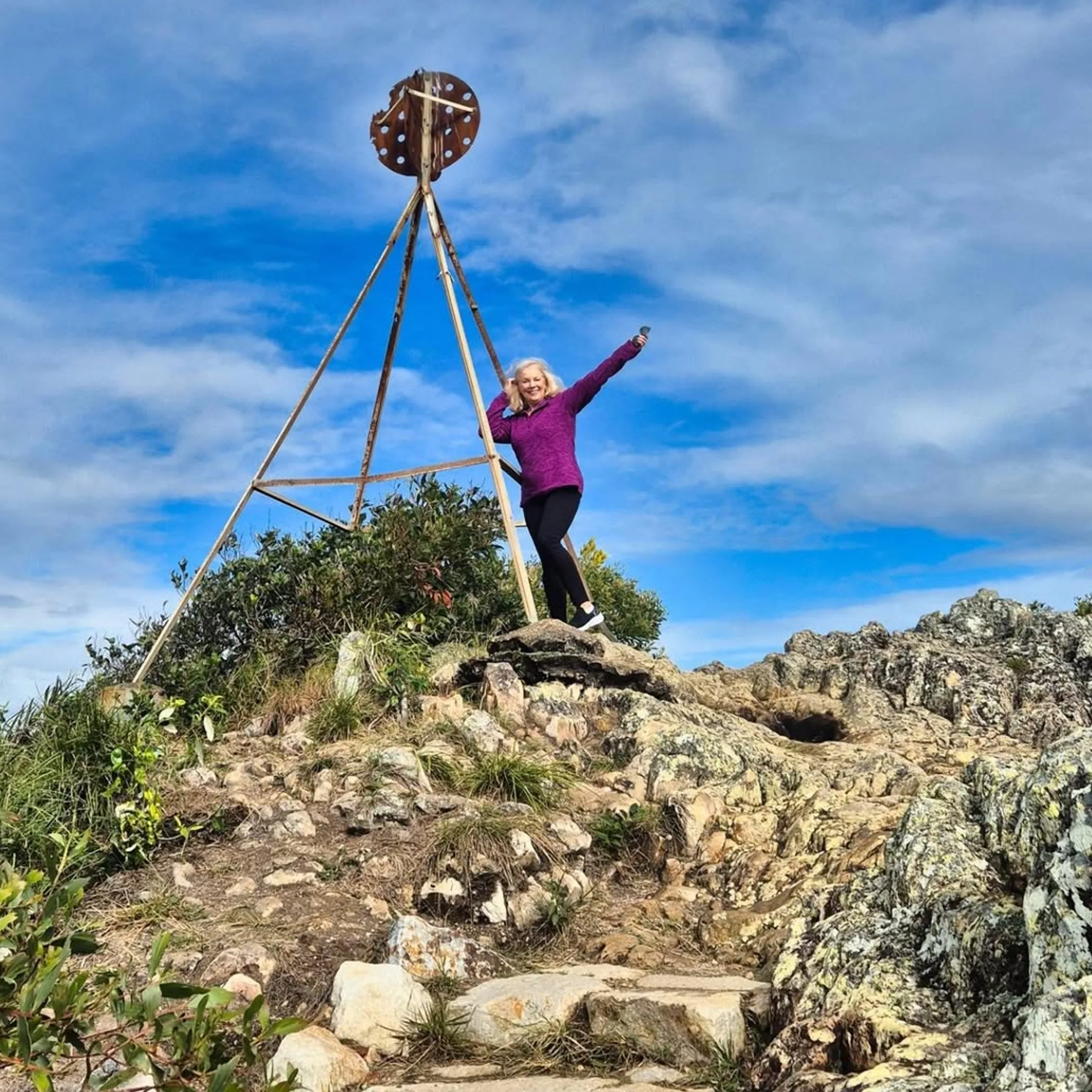
Even a walk of under two hours calls for some fuel and to be well hydrated. All too often one puts both aside and is left with a headache or a strange sort of crankiness by mid-walk and can hardly fathom why.
As for water, it is not a question of lugging large quantities on a short walk so much as not being at a disadvantage from the start. “If you are thirsty when you get out of the car you have already missed the boat,” is the way Sophie Dwyer puts it.
How Much Is Enough?
A litre or more per person will see most adults through a limestone walk in mild weather. But if the going is hot and exposed, with no shop or visitor centre to hand and nothing in the way of shade or a dependable source of water, take along more. It is a matter of individual preference, pace and temperature, and whether you have children in tow.
The Bureau of Meteorology will tell you that Australian UV runs high even when it is cloudy or cool, a fact to bear in mind with white rock throwing light back at you. Have a look at their forecasts and warnings prior to departure.
Snacks Worth Having
There is no call for a full picnic crammed into a day bag for every outing, though a sandwich half or some nuts and a banana are useful, for older walkers or children and those making a trip before or after a meal.
Most would do well not to set off on an empty stomach, in warm weather or on a track requiring your full attention and steady footing, and have a light snack first.
Pack Smart, Not Heavy
Your packing list for a good short walk should be compact. There is no need for an elaborate setup since you are not in the bush for three days with the billy on the boil, but you want to be able to cope with a child who has had enough or an ankle that has turned. A modicum of planning preempts a great deal of nonsense. Make the kit small but ensure each piece is justified.
- Water and snacks, a phone with a power bank
- A hat and sunscreen, sunglasses and a layer
- Have a map screenshot or trail info downloaded in case of poor reception
- Some tissues or a roll of toilet paper if there is no dunny, a rubbish bag
- Any personal medication like an inhaler
- Leave a copy of your plan with someone along with basic first aid
Select Your Walk
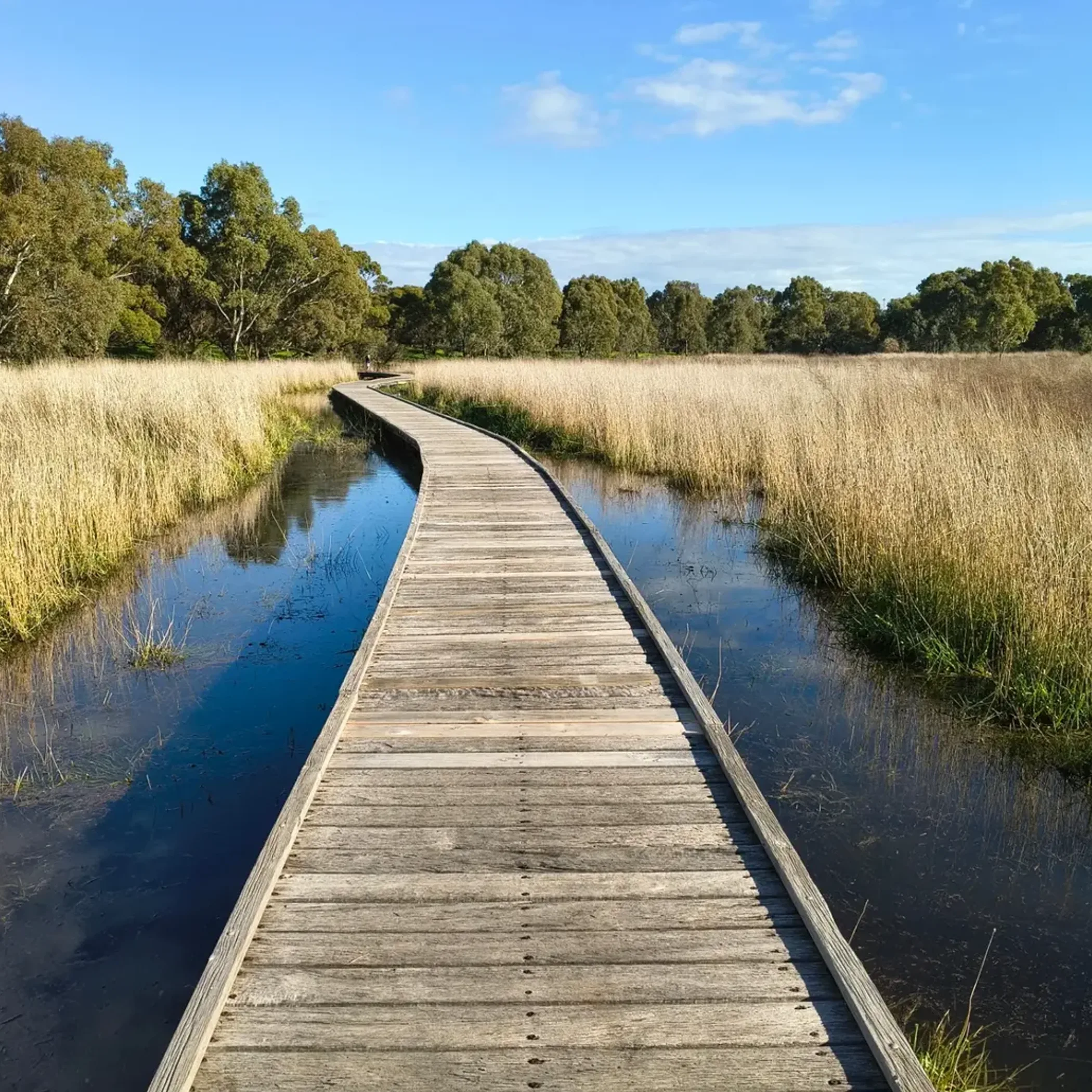
In the end the best way to prepare is to choose a walk appropriate to the day at hand, not some idealised notion of it where all are in fine fettle. Short walks on the limestone can be very different in what they put on you in the way of surfaces and exposure.
With only a day to spare in these regional areas, do not try to fit in three stops and be in the car half the time. Pick a route that is properly signposted with parking to boot.
By Way of Example
For a family or a novice the Naracoorte Caves National Park is hard to beat, with its established facilities and easy access. In the Mount Gambier area and the Limestone Coast at large one will come across short routes to sinkholes and crater lakes or coastal reserves, but the safety barriers and terrain are not uniform.
Preparation for the Limestone Ridge Loop means looking at the elevation and distance and what the surface is like; a loop here can demand more of your foot placement than a length of compact dirt, particularly if it has rained and things are slick.
| Area | Who it is for | The lay of the land | What to watch |
| Naracoorte Caves National Park | Families, the casual walker | Formed paths and cave precincts, managed access | Dampness around the caves |
| Mount Gambier | Mixed ability, day-trippers | Urban access, lookouts, crater and sinkhole features | Stairs and edges, barriers are not always consistent |
| Coastal Tracks on the Limestone Coast | Those who do not mind exposure | Wind and cliff views, uneven rock and beach | Sea spray and the hazards of the cliffs |
| Judbarra/Gregory National Park | For the seasoned traveller in season | Remote conditions, heat, rougher access | Seasonal closures and distance from help |
Access, Parking And Timing
To be on the safe side, allow more time than what is put on the sign. Make allowance for the odd toilet break, to put in a few photos, or to let the kids set the pace; a 45-minute loop will run to 75 minutes when you have to pick your footing and decide if a side track is sanctioned or merely where others have been tramping.
You will find parking unproblematic at the larger visitor sites though in smaller reserves bays may be unsealed and offer little in the way of shade or water. Regional public transport is a patchy affair so a car is de rigueur. Then there is the cost of fuel and entry fees to consider; on a day out you will likely spend most of your money on transport and provisions while the walking itself, if self-guided, is free or close to it.
Do Not Wing It
Some planning is in order even for short tracks. No need for anything as involved as an expedition map but you should know your starting point, how you are getting back and by what time you ought to be done.
It is a thoroughly unglamorous practice but it is worth it. The whole business of trip plans and first aid is tedious until it is the one thing that tells people where to start their search.
Make It Plain
A screenshot of the route map from reception is a good idea. Heed the signage and trail markers, do not just put in a footpad like everyone else on social media. Should a boardwalk through the wetlands diverge from the path, make sure it is not going to put you down at a viewing platform before you go ahead.
Let someone know your intentions: where you are off to and the name of the access point or car park (saying “walking near Mount Gambier” is not specific enough in a regional reserve with several ways in) and what time to be concerned if you are not in.
Mind The Edges
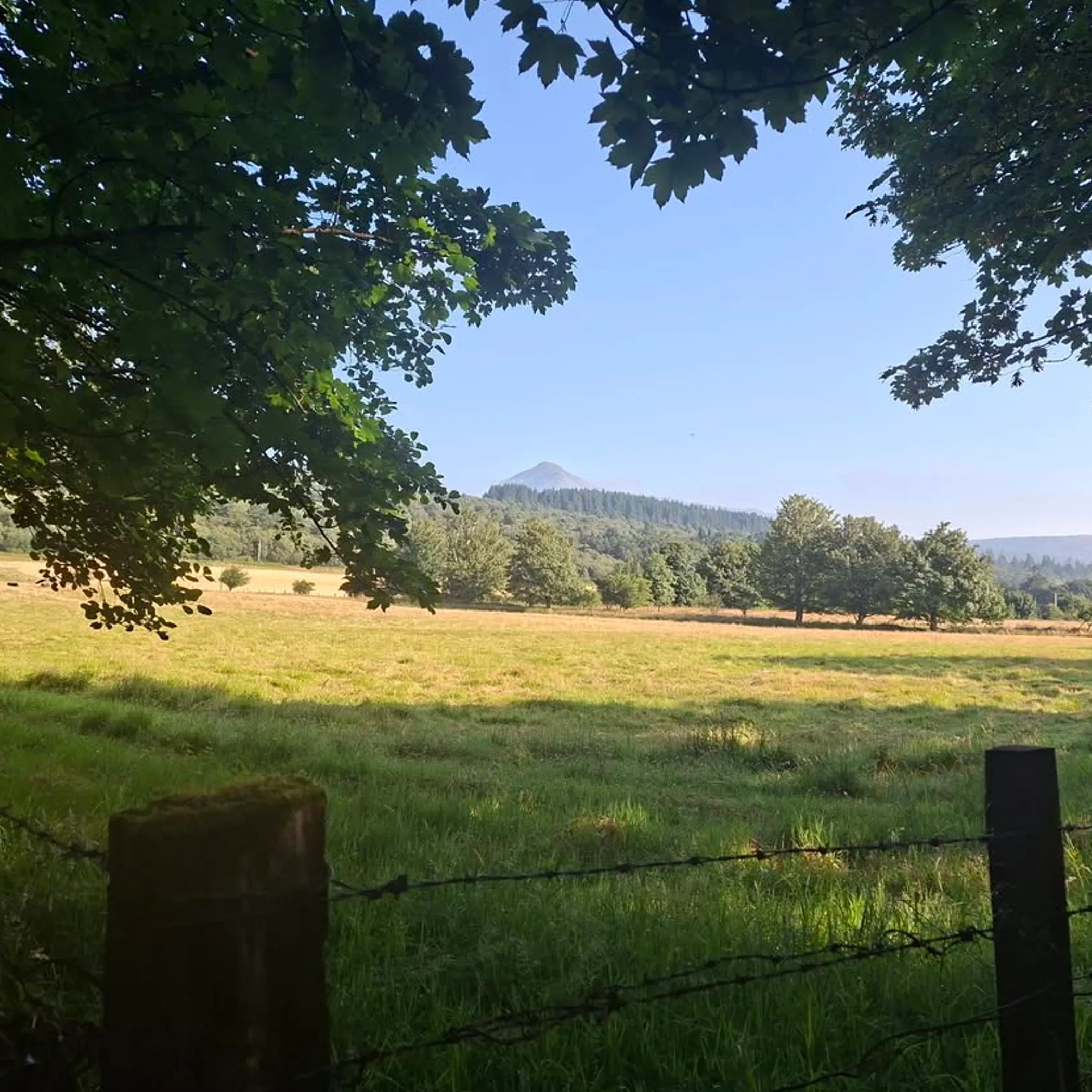
Limestone will appear solid and then it will not. Give the cliffs, sinkholes and undercut edges a wide berth. In a photo the view seems benign but come face to face with it and the wind has a way of shoving you and the ground tilts more than expected, shedding grit. Sophie Dwyer would have you admire it from a distance, which is unromantic but sound advice.
Cliffs, Caves And Sinkholes
On a limestone hike, do not presume a rock shelf is to be trusted and remain on this side of any barrier. There are voids and fractures underfoot in karst country and that is something to bear in mind with informal shortcuts by a cave system.
Beginners, and those with children who are prone to bolting, would be well advised to steer clear of any unmarked cave exploration or scrambling on a wet rock face.
Wet Rock
Mossy or dark and shiny, or if it has been hit by wave wash, consider it slippery. Algae is the worst of it, looking damp but acting like soap. Put three points to the ground and shorten your stride. People are apt to slip in the changeover from dry track to a wet ledge because they do not alter their pace, not on the rough patch they were making a fuss over.
The Weather
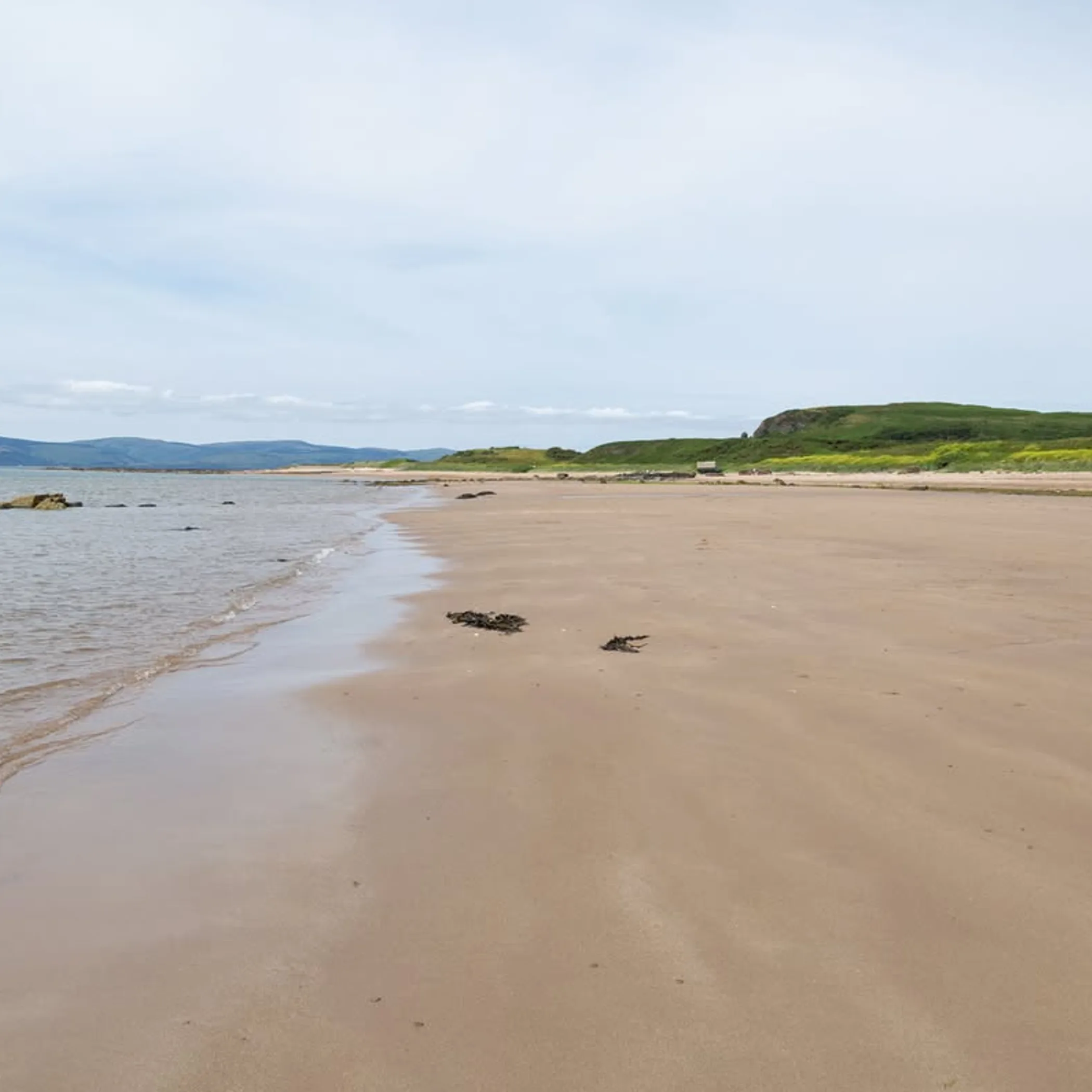
A limestone walk can be made or broken by the timing. What was calm and easy at 8 am can be glary and crowded by late morning. But it is more than a matter of comfort, local weather dictates safety. Be it drizzle or sea spray, or the heat and wind, and even bushfire closures, these things will have their effect on the walk.
The Reality of Limestone Tracks
Autumn to spring in the limestone country of South Australia is generally more accommodating for a walk than the height of summer, but rain will make the rock treacherous underfoot. In summer one has to contend with the heat and the glare from pale stone. And even where the porosity of the rock is quick to drain, after a shower footing is apt to be slower.
It is an entirely different proposition in the north, say in Judbarra/Gregory National Park, come the wet season. There are questions of safety and access, creek lines can be unrecognisable, the humidity is no joke and you will find your travel plans more of a complication. Some tracks will be shut down. Make of it what you will, but get some local advice before you set off.
Be A Considerate Visitor
Do not let the hard look of a limestone system fool you; it is fragile. Put people off-track in a cave or on a dune edge, or into the boardwalks of a wetland, and the cliff vegetation and the like do not take kindly to it.
There is more to heeding the rules than a sign putting you in your place. It is about preserving the habitat and leaving the place in good order for those who follow, and keeping access as it should be. So use the steps and formed paths. Put your rubbish in your pack, wipes and fruit peels included. Barriers are there for a reason, as are the fences around sinkholes and closed off caves. On a narrow lookout keep the noise to a minimum and allow others their space. Should you come across an older visitor or children making slow progress, pass in a safe and polite manner.
A Few Things To Consider
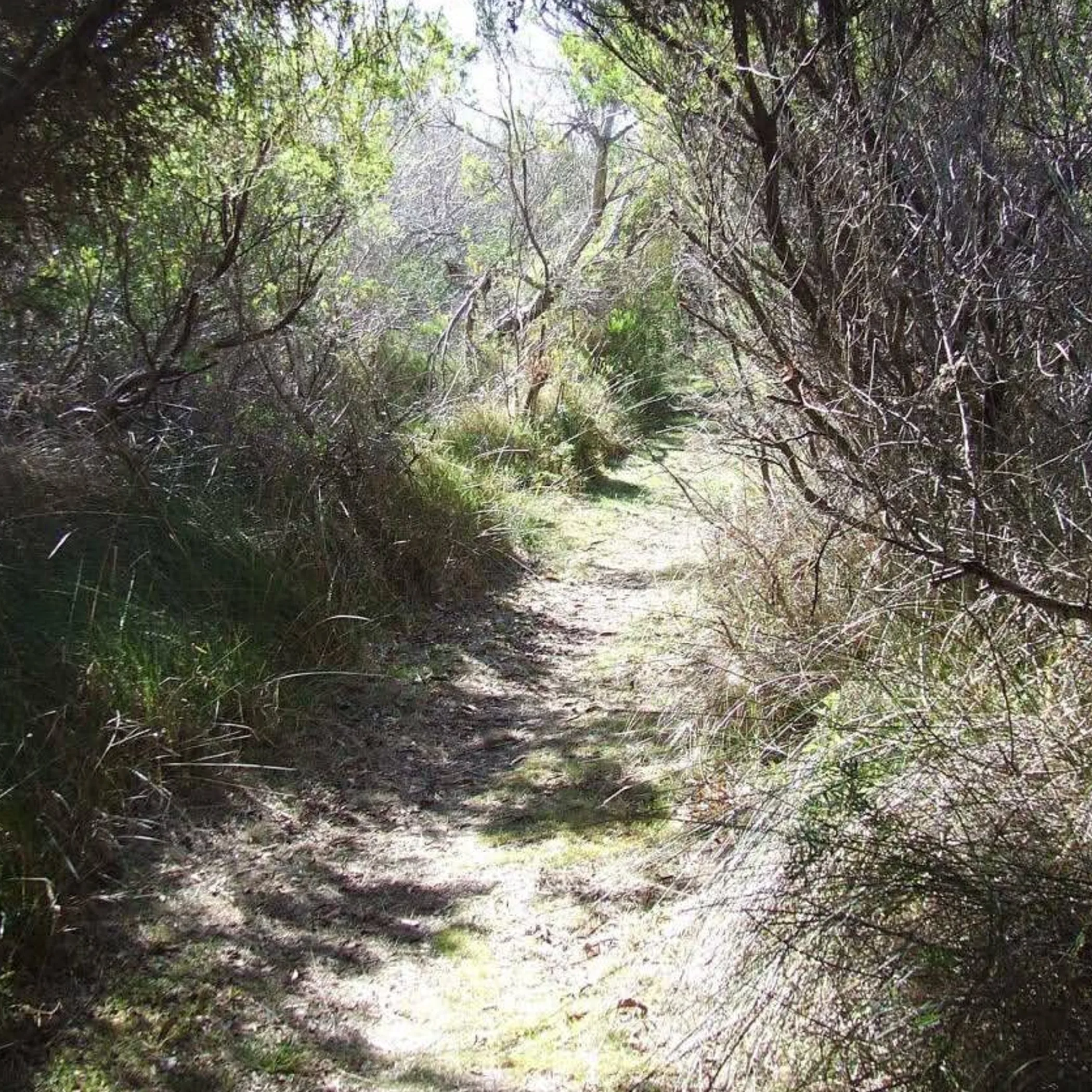
When it comes to short walks in these landscapes, respect the terrain and the distance will look after itself. Pick a route your group can handle, have water, put on the right kind of shoe and be wary of any wet rock or cliffs. One could say that a limestone walk is more technical in appearance than it needs to be if you are prepared; in which case it is all the more rewarding. You will spend less time thinking about your footwear and more time on the good stuff.
FAQ
One would expect the following to be on most people’s minds ahead of a stint on the limestone tracks, and for good reason. Clarity at the outset precludes an otherwise mundane error.
An empty stomach for a hike?
Not normally. A simple meal or snack to see you through a short walk is better for your concentration. In the heat, or with kids in tow, you are courting fatigue and grumpiness if you go out hungry.
Hiking etiquette 101?
The golden rule: do not be a nuisance to the place or to other folk. Keep left when you should, be courteous in passing, muffle the noise and leave nothing behind.
How much rest prior to a big day out?
Fitness being what it is, 1 or 2 easy days is advisable for some. For a short excursion on limestone you will not need them unless you are dehydrated, nursing an injury or simply run down.
Ten rules of hiking?
Make them practical: tell someone where you are going, check the weather and the route, have water and first aid, don’t go near the edge, pack out your waste and if something does not feel right, head back. Nothing fancy but it works.
Is a beginner safe on limestone?
On the formed paths of a managed site like Naracoorte Caves National Park yes. But where there are exposed ledges or little in the way of signage and irregular rock, it is not so. Do not mistake a short walk for one that is suited to a novice; read the notes on the route.